Inhaler
10 practical ways to effectively relieve the airways
-
Choose the right inhalation device
There are different designs: jet nebulisers, metered-dose inhalers, dry powder inhalers, as well as ultrasonic or compressed-air nebulisers. Make sure to pick a device that suits your age, breathing strength and medical condition.
-
Jet nebulisers for deeper lung regions
A jet nebuliser creates an aerosol cloud by the force of a tensioned spring. This spreads slowly and remains suspended in the air for a long time, allowing the active substance to reach deep into the lungs. It is ideal for loosening stubborn mucus in the bronchi.
-
Use dry powder inhalers selectively
Dry powder inhalers work by inhaling the active substance in powder form. A strong inhalation is required for the medicine to reach the lungs. For children or seriously ill patients this can be challenging, as they may not be able to inhale enough volume.
-
Use metered-dose inhalers with a spacer
Metered-dose inhalers contain the active substance in liquid form under pressure. If you have difficulty coordinating the spray and the inhalation, you should use a spacer. This attachment catches the aerosol so the active substance can be inhaled more slowly and in a controlled way. This is particularly helpful for older adults and children.
-
Ultrasonic and compressed-air nebulisers for easy use
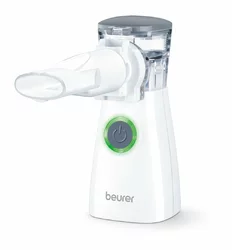
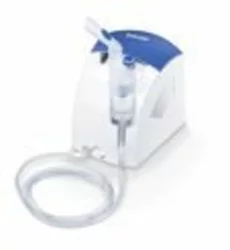
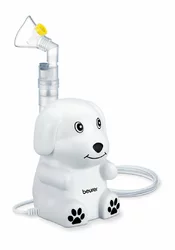
Ultrasonic and compressed-air nebulisers work with a mouthpiece or mask. Inhalation lasts about 10–15 minutes, is suitable for patients who cannot operate other inhalers properly, and ensures the medicine reaches the lower airways without great effort.
-
Inhalation for colds and coughs
At the first signs of a cold, you should inhale once to three times daily for five to twenty minutes. This improves blood flow to the mucous membranes, loosens thick mucus and activates defence cells.
-
Saline solution as a gentle aid
A physiological saline solution moistens the airways, thins bronchial secretions, has a mild antibacterial effect and can be anti-inflammatory. It is suitable for adults and children alike and can be used to help prevent colds.
-
Quick help for acute attacks
Compressed-gas inhalers act particularly quickly in acute asthma attacks. The active substance is released in a concentrated form and can be inhaled directly into the lower airways to provide rapid relief.
-
Keep hands and devices clean
Wash or disinfect your hands before use. All parts of the inhaler should be cleaned after each use with warm water and dish soap. For contagious respiratory illnesses, additional disinfection is advisable.
- Correct posture when inhaling
Sit or stand upright so the airways remain open. An upright posture ensures the active substance is distributed evenly and reaches deep into the lungs.