Steam inhalation
10 steam inhalation tips that quickly relieve your cold
-
Choose the appropriate active ingredients deliberately
Eucalyptus, peppermint and thyme oils, for example, act as expectorants and have antibacterial properties, making them ideal for a blocked nose and cough. Chamomile soothes irritated mucous membranes, while sage can help with hoarseness and sore throats.
-
Use saline solution for gentle humidifying and cleansing
Inhalation with isotonic saline solution effectively moisturises the airways, loosens mucus and has a mild disinfecting effect. It is a gentle supportive method, especially with dry heated air or the onset of a cold, and it also promotes the natural self-cleaning function of the mucous membranes.
-
Match the inhalation method to the symptoms
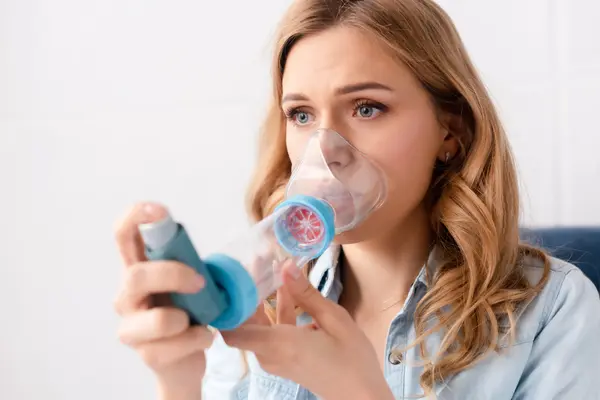
For upper respiratory issues such as a runny nose, classic steam inhalation is excellent. If, however, the deeper airways need to be reached, nebulisers are the better choice as they produce ultra-fine particles that penetrate deeper into the lungs and bronchi.
-
Pay attention to the correct water temperature
The water should be hot but not boiling – a temperature between 60 and 70 °C is optimal. This avoids scalding while still producing effective steam to relieve your symptoms.
-
Use a towel to concentrate the steam
A towel over the head directs the steam towards the inhalation mask and increases effectiveness. Make sure to air briefly from time to time to allow fresh air in and prevent circulatory problems. Stop the inhalation if you feel dizzy or unwell.
-
Keep a safe distance from the water while inhaling
Do not lean directly over it. A distance of around 20 centimetres protects against irritation and burns to the skin and mucous membranes. This safety precaution is particularly essential for children.
-
Breathe slowly and mindfully during inhalation
Take your time, breathe deeply and evenly, alternating between nose and mouth. Breathing too quickly can trigger coughing or dizziness and reduce the restorative effect.
-
Inhale regularly, but in moderation
For acute symptoms, inhaling two to three times a day for 10 to 15 minutes each time is sufficient. More is not automatically better – give your body enough breaks to regenerate. For chronic conditions, discuss the frequency with your doctor.
-
Avoid cold and drafts after inhalation
After treatment, the airways are particularly sensitive. Therefore avoid cold air, open windows or direct drafts for at least 20 to 30 minutes so your body can recover calmly.
-
Use high-quality inhalers for more comfort and safety
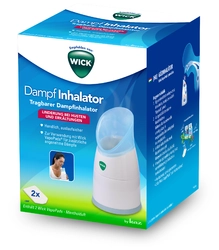
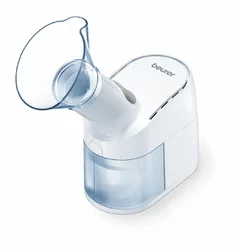
Devices from the pharmacy are leak-proof, thermally insulated and protect the eye area. They provide a safe alternative to the bowl method and make controlled inhalation easier, especially for children, seniors or restless individuals.