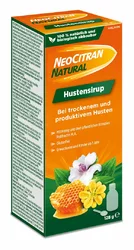
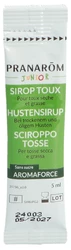
Cough syrup
10 proven ways to soothe a cough gently
-
Distinguish dry cough from productive cough
Pay attention to whether your cough is dry or productive. For dry, irritating coughs, cough suppressants are suitable, while expectorants help with productive coughs.
-
Use plant-based ingredients purposefully
A cough syrup made from herbs such as thyme, ivy, plantain or mallow can soothe the mucous membranes, reduce the cough reflex and support the body's defenses.
-
Use synthetic active ingredients consciously
Chemical agents like dextromethorphan, ambroxol or acetylcysteine act on the central nervous system or break up mucus. Be aware of possible side effects such as drowsiness or stomach problems.
-
Choose combination products with caution
Products that contain several active ingredients can be convenient but carry the risk of unnecessary effects and additional side effects. Check the ingredients carefully.
-
Observe the correct dosage
Follow the recommended doses and timing. An overdose can cause nausea, diarrhoea, dizziness or a racing heart.
-
Time the dose according to the type of cough
Take a cough suppressant before bedtime for an irritating dry cough to rest during the night. Expectorants, on the other hand, should not be taken immediately before sleep.
-
Drink enough fluids
Drink enough water or tea throughout the day. Fluids help loosen mucus and support the body's recovery.
-
Increase indoor humidity
A humid bedroom air makes breathing easier, soothes the cough reflex and protects the mucous membranes. A humidifier or a bowl of water on the radiator can help.
-
Limit the duration of use
Do not use cough syrup for several weeks. If the cough lasts longer than a week, consult a doctor.
- Recipe for homemade thyme cough syrup
Boil 15 g of thyme in 200 ml of water. Let the decoction steep for 15 minutes, strain it and mix in 150 g of honey and the juice of one lemon. The syrup keeps in the fridge for up to a month and a teaspoon should be taken three times a day.