Herbal infusion
10 plant-power tips for enjoyment and well-being
-
Choose the right form
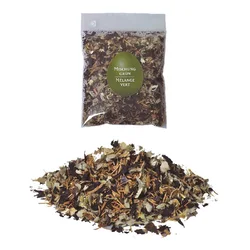
Whether herb bundles, tea bags or loose herbs: bags are practical for beginners, while loose herbs or bundles often deliver a more intense aroma. In a pharmacy or drugstore you will often find ready-made blends for specific needs (e.g. "respiratory", "relaxation").
-
Mind the water temperature
Many herbs develop best with hot water around 70–80 °C, as aromas and sensitive constituents are preserved. The infusion then tastes rounder and is often more pleasant – especially for delicate flowers and leaves.
-
Measure correctly – not too weak, not too strong
As a guideline, use about 1 teaspoon per cup (150 ml) or approx. 14 g per litre. If the flavour is too intense you don't need to add "more herbs" – often adjusting the steeping time is enough.
-
Cover the infusion while it steeps
Place a cloth or lid over it so the aromas don't escape. This makes the flavour noticeably more aromatic – and is particularly important if you plan to use the infusion later for a scent or sauna experience.
-
Control the effect with steeping time
Flowers usually steep for 7–10 minutes, leaves 10–15 minutes, roots and bark 15–20 minutes. For sauna brews: 1st infusion approx. 15 min, 2nd approx. 25 min, 3rd at least 40 min – the concentration of active compounds decreases with each round.
-
Use tried-and-tested herbs instead of mixing at random
Lavender has a calming, relaxing effect, peppermint cools and opens the airways, eucalyptus is valued for its disinfectant properties especially during colds, thyme supports cough relief, while rosemary is stimulating and promotes circulation. Knowing these effects lets you ask for single herbs or matched blends in pharmacies or drugstores and consciously adapt your herbal infusion to your current need.
-
Opt for harmonious herb combinations for a balanced effect
Instead of randomly mixing many single herbs, choose proven combinations such as eucalyptus, thyme and peppermint during cold season or lavender and lemon balm for relaxation. Such balanced blends release their effects more evenly, smell nicer and are often already prepared in pharmacies or drugstores.
-
Always strain herb bundles thoroughly
If you work with bundles, strain the brew through a fine sieve or muslin. This prevents small plant particles in the water – and ensures the scent remains pleasant (especially for sauna or fragrance applications).
-
Think about shelf life
A ready-made herbal infusion should not be used the next day. It's better to prepare smaller amounts fresh – it tastes better and is more hygienic.
-
Reuse bags/bundles cleverly
Herbal bags and bundles can often be used 2–3 times. Dry them well afterwards and store them in a cool, dry place. Bear in mind, however, that each subsequent infusion will be milder as fewer active compounds are released.