Spices
10 easy tips to make spices enchant your dishes
-
Fresh meals with whole spices
Use whole spices such as peppercorns, nutmeg or cinnamon sticks and grind or crush them only immediately before cooking. This preserves the essential oils that carry the aroma and delivers a more intense flavour.
-
Proper storage preserves aroma
Store spices in a cool, dry and dark place, preferably in well-sealed containers. Avoid open spice racks above the stove, as heat and moisture can affect the aroma and cause spices to clump.
-
Gently heat paprika and chilli
Add paprika and chilli spices towards the end of cooking and warm them only over low heat, otherwise they will lose their aroma. At too high a temperature they turn bitter and their full flavour is lost.
-
Toast spices to boost their flavour
Toast spices like cumin, coriander or mustard seeds briefly in a dry pan before using. This releases essential oils that significantly intensify the aroma of your dishes.
-
Reduce salt – use spices
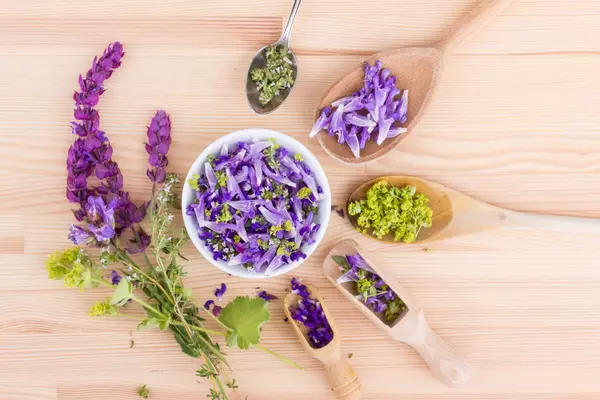
Reduce salt intake by using aromatic spices and herbs instead. Mediterranean varieties such as rosemary, thyme or basil, as well as more assertive spices like chilli, nutmeg or cardamom, can flavour dishes deliciously.
-
Create your own spice blends
Homemade spice blends let you combine different flavours to suit your taste. They also contain no unwanted additives. Experiment with herb salts or exotic mixes such as garam masala.
-
Choose high-quality spices
Where possible, opt for natural products from organic farming or wild collection. These contain more essential oils, which not only improve flavour but can also offer health benefits.
-
Use spices judiciously
Be aware that some spices, such as nutmeg for example, should be used only in small quantities, as excessive amounts can cause unwanted side effects. Less is often more here.
-
Deepen flavour with acidity
A splash of lemon juice or a little vinegar can enhance the aroma of spices in soups, stews or salads. Acidity provides a pleasant flavour balance and highlights the seasoning.
- Vegetables as a natural alternative to spices
Don't rely solely on salt when seasoning. Many vegetables such as tomatoes, celery or peppers naturally have strong flavours and can naturally enhance your dishes and add variety.