Edible Wild Herbs
These 10 tips make wild herbs a delight
-
Try seasonal wild herbs deliberately
Take advantage of the seasonal variety of wild herbs: in spring the delicate ramsons (wild garlic) are particularly suitable, while in summer the spicy wild oregano adds a Mediterranean note to your dishes.
-
Incorporate young leaves into your everyday cooking
The young leaves of dandelion, for example, taste mild and tender and are therefore perfect for fresh salads or as a crunchy topping on sandwiches.
-
Enhance your dishes with edible wild flowers
Flowers such as those of cuckooflower (Cardamine pratensis) or red clover lend a natural flavour and attractive look to desserts and drinks – turning your creations into a treat for all the senses.
-
Use wild herbs as a healthy addition
Stir finely chopped wild herbs like chickweed or nettle into quark. With a little lemon juice and pepper it becomes a tasty spread.
-
Add fresh wild herbs to your smoothie for an energy boost
Add fresh nettle or ground elder to green smoothies – it revitalises and provides valuable vitamins and minerals for the whole day.
-
Make aromatic wild herb pestos
Process a mix of wild herbs, nuts, olive oil, Parmesan or nutritional yeast into a pesto. It is ideal for pasta or as a spread for bread.
-
Dry wild herbs for later enjoyment
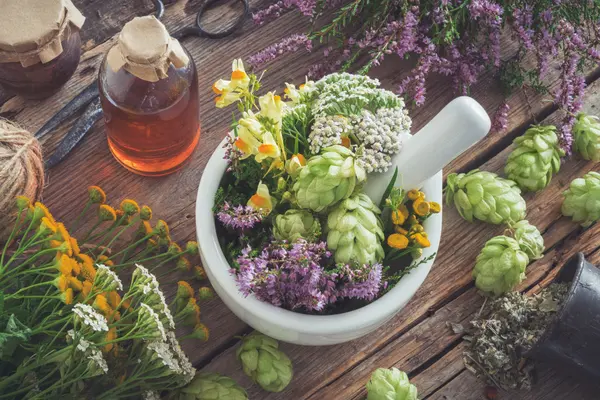
Hang herbs like ground-ivy or mugwort to dry so you have seasonings or aromatic teas ready all year round.
-
Try unusual wild herbs in savoury dishes
Refine your vegetable or pasta dishes with particularly aromatic varieties such as ground-ivy or galinsoga.
-
To achieve more depth of flavour, mix different wild herbs
Combine, for example, piquant herbs like garlic mustard with milder varieties like ribwort plantain. This way you give salads or herb blends a diverse flavour profile.
-
Turn wild herbs into healthy skincare
Extracts or oil macerates from herbs such as St John's wort can be used for skincare, allowing external application of the wild plants.