Warts
10 tips to treat bothersome skin growths safely and effectively
-
Start with a consistent basic treatment
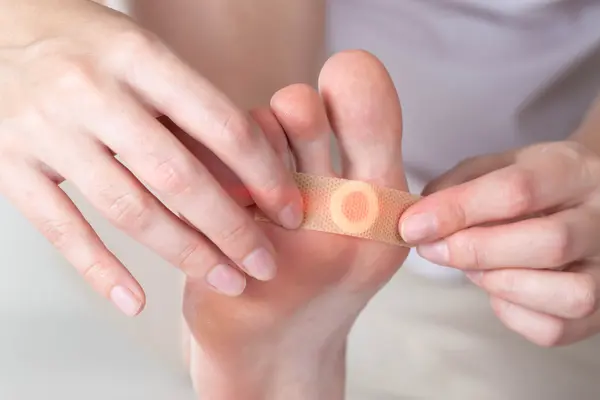
Warts can often be treated successfully with over-the-counter tinctures or keratolytic patches. These products contain active ingredients such as salicylic acid, which remove the hardened skin layer bit by bit. Apply the product daily according to the package instructions and be patient – initial improvements usually appear after a few weeks. Pharmacies offer high-quality preparations that are dermatologically tested and generally well tolerated.
-
Use warm baths to increase effectiveness
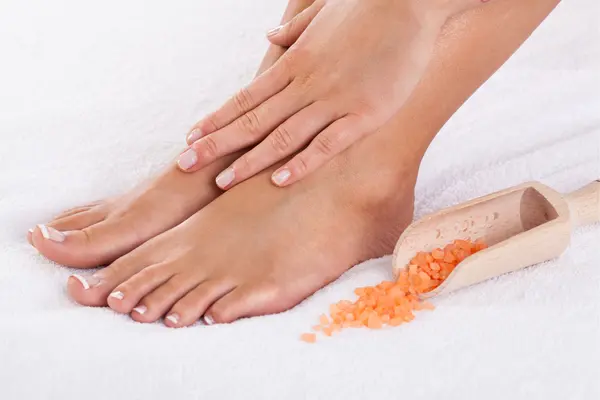
A warm hand or foot bath before treatment softens the callus and increases the effectiveness of patches, solutions or acids. Afterwards the softened horny layer can be removed more easily and gently. Use a sterile file or single-use instruments to avoid infections.
-
Protect the surrounding skin
Aggressive wart solutions can irritate healthy skin. Apply an emollient ointment or petroleum jelly around the wart before treatment. This forms a protective film and increases comfort during application. This simple measure prevents unnecessary redness and improves the chances of precise, effective therapy.
-
Prevent the spread of the virus
Warts are contagious – for you and for others. Disinfect any instruments that come into contact with the wart and wash your hands carefully after each treatment. Use your own towels and never file multiple areas with the same tool. This protects your skin and prevents the spread of the virus.
-
Turn to medical solutions for persistent cases
If warts remain despite regular treatment, physicians can apply effective methods such as cryotherapy (freezing at -196 °C), laser treatment or wIRA therapy. These procedures are targeted, gentle and often surprisingly effective. wIRA is especially suitable for children and sensitive skin, as the treatment is completely painless.
-
Avoid risky home remedies
Tea tree oil, apple cider vinegar or duct tape are neither medically proven nor necessarily safe. Aggressive oils can trigger allergic reactions and damage the skin. Instead, rely on tested products from the pharmacy – they are safe, effective and dermatologically evaluated.
-
Strengthen your skin’s defences deliberately
A stable immune system is one of the most important factors in the fight against warts. Prioritise sufficient sleep, a vitamin-rich diet, regular exercise and good skin care. Moisturising lotions for hands and feet reduce small skin fissures that could serve as entry points for viruses. Pharmacies carry specific care products that strengthen the skin barrier.
-
Keep hygiene rules in mind in everyday life
Always wear pool shoes in swimming pools or changing rooms, dry thoroughly between fingers and toes and wash textiles such as towels at least at 60 °C. Avoid touching or picking at warts – this prevents new infections on your own skin.
-
Recognise situations where you need medical help
Do not self-treat warts on the face or genital area, or if there is pain, bleeding or rapid growth. People with diabetes, circulatory disorders, a weakened immune system, pregnant women or children also need a medical assessment. This avoids complications and ensures a therapy suited to your skin condition.
-
Use homeopathic or herbal remedies only as a complement
Naturopathic preparations can provide supportive effects but should always be coordinated with qualified personnel. High-quality ointments and solutions offer verified quality and can be a suitable complement to conventional therapy – especially in mild cases.