First aid for burns
10 important steps for thermal skin injuries
-
Apply cooling in a targeted way
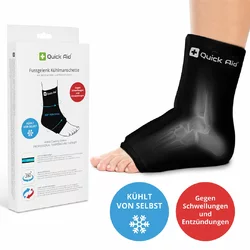
Cool the affected area immediately after the burn with lukewarm water – five to ten minutes is ideal, until the pain noticeably eases. Avoid ice or cold packs, as extreme cold can further damage the tissue.
-
Seek medical care promptly for severe cases
Call emergency services immediately for burns to the face, hands, genitals or for large-area injuries. The same applies if smoke or fumes have been inhaled.
-
Handle clothing carefully
Remove jewellery and clothing for smaller burns to prevent heat buildup. If clothing is stuck to the skin, carefully cut it away around the wound rather than pulling it off.
-
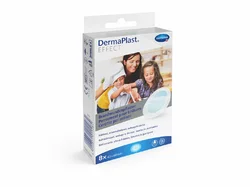
Use hydroactive wound dressings
Hydrogels or hydroactive dressings prevent the skin from drying out and have a slight cooling effect. They can remain on the wound for several days and be secured with gauze or tape.
-
Be cautious with large-area injuries
If more than five percent of the body surface is affected, do not cool. In children, cool only the arms and legs, never the torso – hypothermia can be life-threatening.
-
Use Metalline dressings
Torso burns or large-area injuries can be covered with Metalline dressings. These sterile sheets do not stick to the wound and protect against infection.
-
Recognise signs of shock
Signs such as pale skin, cold sweat, trembling or restlessness indicate shock. Elevate the person's legs slightly, keep them warm and speak reassuringly to them.
-
Place unconscious people in the recovery position
If the person is unconscious but still breathing, carefully place them in the recovery position. This keeps the airway clear and prevents choking.
-
Perform resuscitation correctly
In the event of respiratory arrest, begin cardiopulmonary resuscitation immediately: 30 chest compressions followed by 2 rescue breaths in turn, until rescue personnel arrive or signs of life return.
- Do not use home remedies
Powders, raw potatoes, honey or oils are unsuitable. They increase the risk of infection and can further irritate the wound or prevent cooling.