Endometriosis
10 strategies against cycle-related pain
-
Take recurrent pain seriously
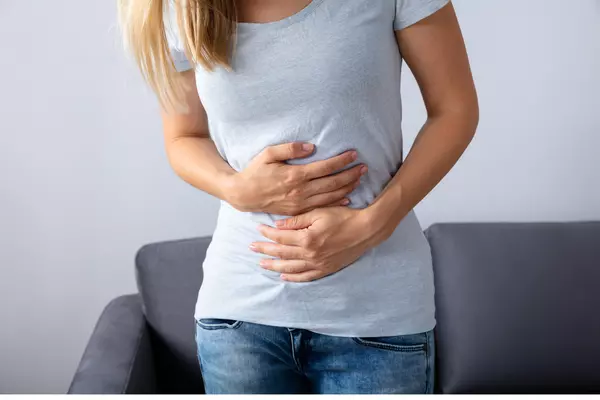
Even if the condition is not malignant, persistent and severe pelvic pain can significantly restrict your daily life. Pay close attention to when and how symptoms occur, and seek medical advice early instead of continually downplaying the pain.
-
Keep a structured symptom diary
Record the type, location and timing of your pain. This information is an important basis for the medical consultation and helps guide targeted diagnostic steps.
-
Have unexplained infertility investigated
Because the condition can affect fertility, you should seek specialist advice early if pregnancy does not occur. This allows possible causes to be investigated and further steps to be planned.
-
Use the gynaecological exam purposefully
A careful clinical examination of the vagina, abdominal wall and rectum can provide initial clues. Prepare for this appointment and describe your symptoms as precisely as possible.
-
Consider imaging procedures
Larger lesions are often detectable by transvaginal ultrasound. With more severe symptoms, an abdominal ultrasound or magnetic resonance imaging can be useful to depict changes more clearly.
-
Learn about laparoscopy
Because smaller lesions are often not visible or palpable, laparoscopy is frequently performed to secure the diagnosis. Tissue can be taken at the same time to confirm the diagnosis definitively.
-
Use painkillers consciously
Anti-inflammatory medications can relieve acute symptoms. Note, however, that they only treat the symptoms and do not eliminate the underlying cause.
-
Consider hormonal treatment
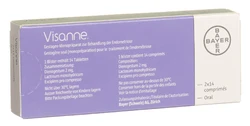
Hormonal preparations can inhibit the growth of lesions and reduce symptoms in the long term. For a stable effect, regular intake at the prescribed dosage is essential.
-
Think about complementary approaches
Approaches such as acupuncture, homeopathy or traditional Chinese medicine can be used as complementary measures to help relieve pain. They do not replace medical treatment but can support it.
- Be mindful of your diet
Emphasise fresh fruits and vegetables with antioxidant properties and include omega-3 rich foods such as flaxseed oil or oily fish in your diet. Reduce highly processed products, sugar, white flour, alcohol and caffeine, as these can promote inflammation and negatively affect hormonal balance.