PMS
These 10 tips make the days before your period more bearable
-
Try herbal remedies
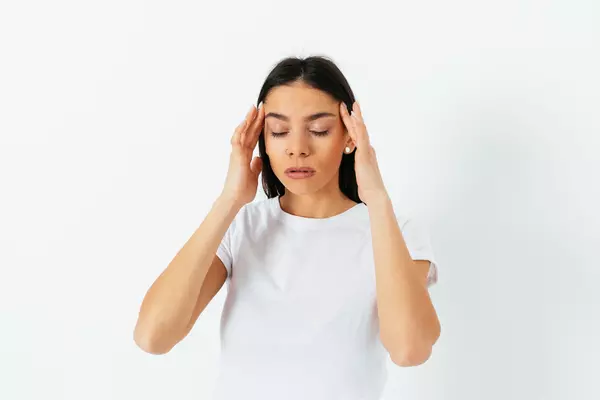
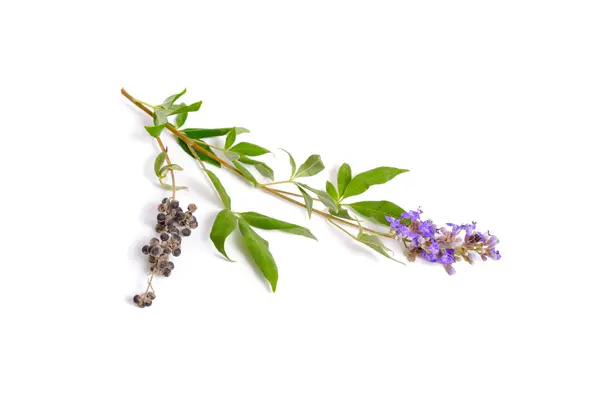
Chasteberry (vitex) supports hormonal balance and can reduce PMS symptoms. Teas made from chamomile, fennel and peppermint help with bloating and abdominal pain. Lavender is useful for stress reduction and peppermint oil can relieve headaches.
-
Reduce stress and ensure sufficient sleep
Hormonal changes before the period put a lot of strain on the body. Allow yourself rest and avoid stress as much as possible. Healthy sleep of around seven to nine hours per night supports recovery and can reduce tiredness and exhaustion.
-
Plan regular, moderate exercise
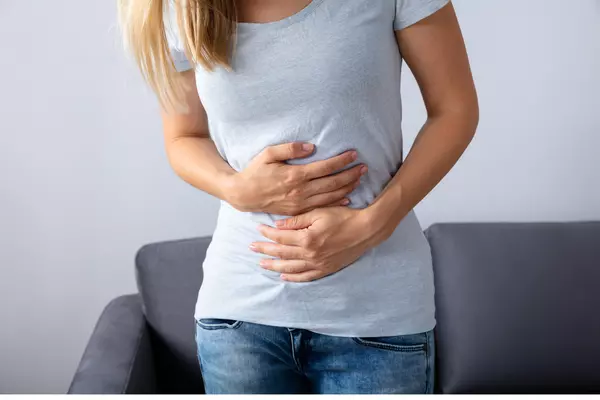
Even if it feels tiring: activity such as walking, yoga or swimming helps relieve pain and cramps. Improved circulation relaxes muscles and supports digestion, which often eases common PMS complaints.
-
Choose a magnesium-rich diet
Magnesium is particularly helpful for muscle cramps. Magnesium-rich foods include wheat bran, sunflower and pumpkin seeds, or green leafy vegetables. Additionally, high-fibre foods, whole grains, fruit and vegetables support digestion and can prevent cravings.
-
Ensure adequate vitamins and minerals
Vitamin B6, D and E as well as calcium and magnesium have a positive impact on mood and physical symptoms. Fresh vegetables, dairy products and sufficient sunlight help meet needs. If required, supplementation can be considered after consulting your doctor.
-
Limit salt, caffeine, alcohol and chocolate
These indulgences can increase water retention, mood swings and other PMS symptoms. It is especially worthwhile to consume less deliberately in the days before your period.
-
Use heat applications strategically
For abdominal and back pain, a hot water bottle or heating pad helps relax tense muscles. Pay attention to comfortable temperatures and feel free to combine heat with loose, warm clothing for extra comfort.
-
Use cold for headaches
Unlike heat for cramps, cold can be effective for headaches and migraine. A cool cloth or an ice pack on the forehead provides relief. It is important that the cold feels comfortable for you.
-
Keep individual symptom diaries
Recording your symptoms and moods allows you to recognise personal patterns. With this information you can pay more targeted attention to your needs and it also makes communication with your doctor easier.
-
Seek medical advice for severe symptoms
If pain or psychological symptoms are very pronounced, medical evaluation is important. Hormonal contraceptives, painkillers or, in severe cases, antidepressants can then be used on an individual basis.