Thyme
10 tips for the best use of a classic culinary and medicinal herb
-
How to prepare thyme tea correctly
Pour one teaspoon (approx. 1.4 g) of dried thyme herb over about 150 ml of boiling water. Cover and let the tea steep for five minutes. Then strain off the plant parts to obtain a soothing thyme tea that is especially helpful for colds.
-
Observe the recommended daily dosage
Adults can drink a cup of thyme tea several times a day. The recommended daily dose is four to six grams of dried herb. You may also mix in other medicinal plants for flavour and effect.
-
Effective thyme gargle solution
To prepare a soothing gargle solution, make an infusion of five grams of thyme herb and 100 millilitres of water. Alternatively, dissolve one teaspoon of salt and two drops of thyme oil (CT Thujanol or CT Thymol) in a glass of lukewarm water. Gargle several times a day to relieve throat inflammation.
-
Thyme bath to support the respiratory tract
For colds and nasal congestion, prepare an infusion of 100 grams of dried thyme herb and one litre of hot water. Let the infusion steep for ten minutes. After straining, add the infusion to the bath water.
-
Understanding chemotypes of thyme oil
Thyme oil is available in different chemotypes. CT Thymol has a strong antimicrobial effect, while CT Linalool is particularly mild and suitable for children and people with sensitive skin. Choose the oil according to the intended use and target group.
-
Use fresh thyme in the kitchen
Use fresh thyme leaves where possible, as they release a more intense aroma than dried herb. Thyme pairs well with meats such as lamb and poultry, stews, vegetables and potatoes, and enhances Mediterranean dishes with its characteristic flavour.
-
Discover new thyme varieties
Also try special varieties such as caraway thyme for savoury dishes, lavender thyme for desserts and teas, or groundcover thyme as an aromatic lawn alternative in the garden. Each variety has its own distinctive aroma.
-
Use the antibacterial effect for skin problems
Because of its antibacterial and antifungal properties, diluted thyme oil is suitable as a supportive treatment for mild skin infections or athlete's foot. Apply the solution directly to the affected area to help the natural healing process.
-
Use ready-made preparations selectively
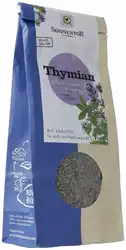
In addition to loose herb, pharmacies and drugstores also offer ready-made thyme products such as cough syrups, drops, capsules, ointments or bath preparations.
-
Observe restrictions for certain groups of people
Pregnant and breastfeeding women, children, older people and those with allergies or chronic illnesses should use thyme, and especially its essential oils, with caution. Consult a doctor or pharmacist before use to avoid side effects.