Cysteine
10 hacks that reveal an underrated amino acid
-
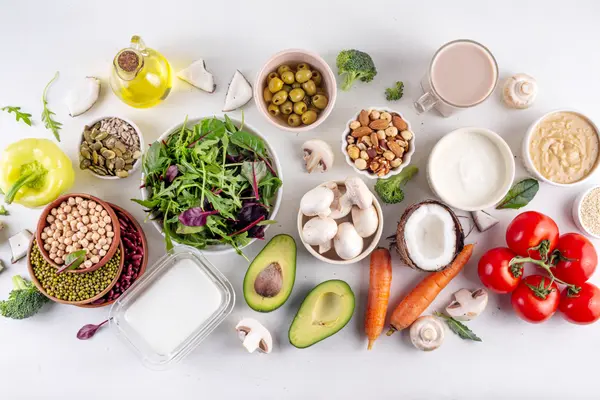
Plant-based sources
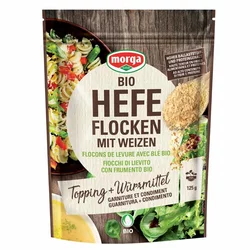
Plant-based foods with measurable cysteine/methionine values include Brussels sprouts, broccoli, green peas, spinach, sunflower seeds, walnuts, soybeans, rice, corn and whole wheat flour (0.9-2.3 %).
-
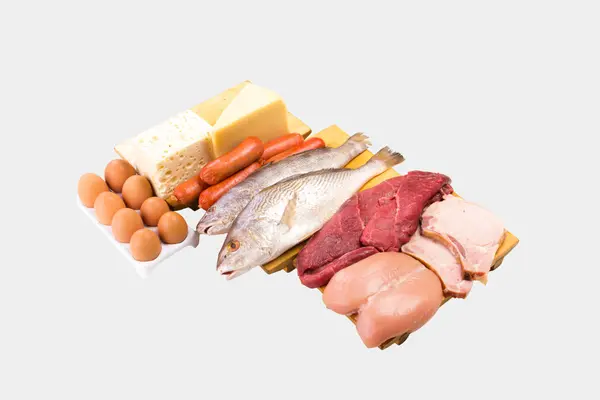
Use animal sources
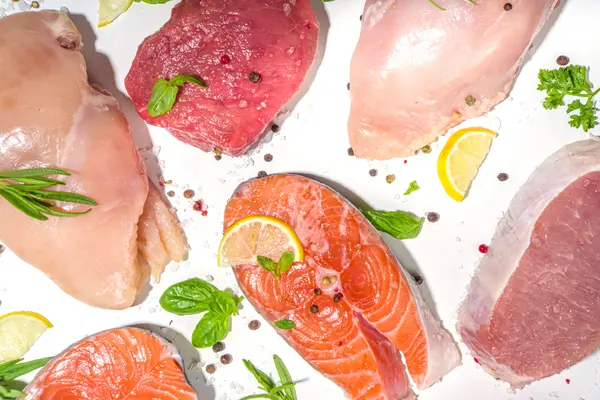
Unprocessed animal foods such as cow's milk, salmon, chicken breast, pork and hen's egg contain detectable cysteine levels (approx. 0.9-2.2 %) and are therefore reliable dietary sources.
-
Use eggs strategically
Eggs, especially the egg white, are very rich in cysteine. If you want to improve your cysteine status through diet, eggs are a practical and versatile option.
-
Be aware of heat losses
Cysteine and methionine fractions are lost during heating. Choose gentle cooking methods (e.g. light steaming instead of prolonged boiling) if you want to retain as much as possible.
-
Watch for cystine listings
Nutritional information sometimes lists cystine instead of cysteine because cystine is easier to measure. Keep this distinction in mind when reading ingredient lists and nutrition tables.
-
Don't forget spices
Even spices like ginger contain cysteine. They provide only small amounts but can serve as a complementary source in your dishes.
-
Cysteine hydrochloride (E 920) in baked goods
Cysteine hydrochloride is used in bakery production to make dough more pliable. It may be used without a maximum limit and does not have to be declared on finished baked goods. Be aware that processed bakery products can therefore contain such additives.
-
Check purity and additives
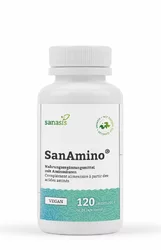
High-quality preparations are free from manufacturing residues (e.g. solvents, heavy metals) and from allergens. They do not contain unnecessary additives such as flavourings, colourings or sweeteners. Look for these specifications on the product.
-
Choose combination products wisely
Experts often recommend combination products: antioxidants can oppose oxidation of cysteine and complementary B vitamins can support synthesis from methionine.
- Watch for indirect sources via methionine
Foods high in methionine (e.g. poultry, salmon, mackerel, pumpkin seeds, flaxseed, peas, edamame, brown rice, wheat) indirectly contribute to cysteine supply because the body can convert methionine to cysteine. Combine different sources to ensure broad coverage.