L-Glutamine
10 secret weapons for rapid recovery
-
Occurrence in foods
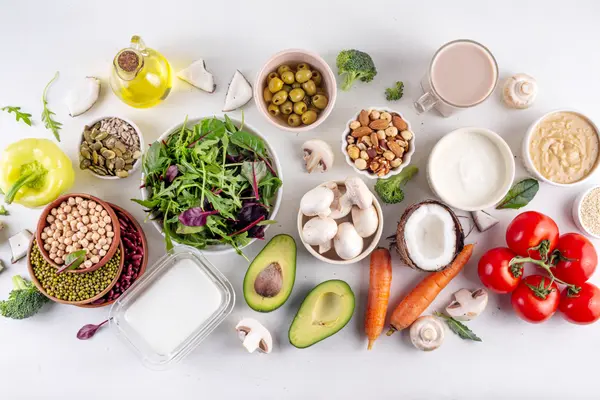
Glutamine is found in both animal and plant proteins – e.g. eggs, dairy (quark, cottage cheese, yoghurt), beef, turkey, game, cod, salmon, soy, peanuts, wheat, corn, rice, spirulina and legumes (lentils, lima beans).
-
Different dosage recommendations
Target amounts vary depending on the purpose: medical sources mention about 3–6 g per day, others recommend 5–10 g per day. In specific stress situations or problems, up to 20 g per day are sometimes reported; general recommendations range from 2 to 12 g per day.
-
Tips for vegans and vegetarians
As a vegan you can focus on wheat products, soy products, lentils and other legumes to meet your glutamine needs. Combine different plant proteins to improve utilisation (e.g. wholegrain bread + lentils).
-
Best time and way to take it
Absorption may be better if you take glutamine on an empty stomach, for example in the morning or 30 minutes before a meal so it does not compete with other amino acids. Spread the daily dose over several servings to maintain steady levels.
-
Note heat sensitivity
Glutamine is heat‑sensitive; do not stir the powder into hot drinks. Instead dissolve the powder in lukewarm or cold water or use capsules.
-
Powder vs capsules — pros and cons
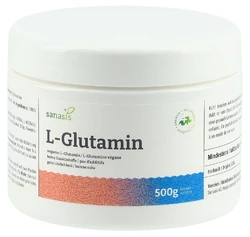
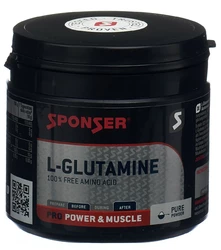
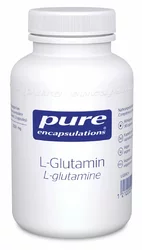
Powder allows flexible, simple dosing and is practical at higher amounts; capsules are cleaner, pre‑dosed and handy if you want smaller amounts. Choose according to your needs: for high doses powder is often more convenient.
-
When to consult a professional
If you are taking antibiotics, acid‑reducing medications, the contraceptive pill, have chronic conditions, are post‑operative or under heavy physical/psychological stress, discuss supplementation with your doctor or pharmacist.
-
Synergies with other nutrients
Glutamine supports glutathione synthesis better in combination with cysteine, glycine and vitamin B6. In addition, vitamin C (for the immune system) and omega‑3 fatty acids complement glutamine’s protective effects for immunity and blood vessels.
-
Supplements are not a substitute for a balanced diet
Supplements can compensate for increased needs but should not replace a protein‑rich, balanced diet. Prefer whole foods as the primary source where possible and use supplements in a targeted way.
- Practical guidance on tolerability
Start with low doses and increase only gradually, monitor for possible intolerances and avoid taking glutamine directly with very protein‑rich meals. If in doubt or if side effects occur, seek medical advice.