Structural proteins
10 steps to a stable framework
-
Support collagen specifically
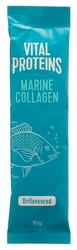
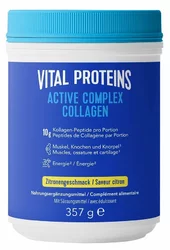
Collagen gives tendons, ligaments, cartilage, teeth and bones tensile strength. Make sure to regularly supply your body with the necessary building blocks so these tissues retain their load-bearing capacity.
-
Strengthen keratin for hair and nails
Keratin provides structural strength to hair and nails. Support keratin formation through suitable nutrients and targeted food choices.
-
Maintain elastin for elasticity
Elastin is crucial for the lungs, blood vessels, organ membranes and skin because it enables elasticity. Pay attention to nutrients that support the formation of elastin and collagen so the function of elastic tissues is maintained.
-
Use animal sources of collagen
Direct animal sources of collagen include meat, dairy products, fish and eggs. These foods provide building blocks that can support collagen production.
-
Plant sources for building blocks
Plant foods such as legumes, cereal products, nuts and seeds also provide important amino acids and can promote collagen and keratin formation.
-
Take cysteine to support keratin
Since cysteine is a component of keratin, include foods high in cysteine in your daily diet, for example eggs, seeds, dairy as well as beef and pork.
-
Don't forget vitamin C
Vitamin C is necessary for the formation of collagen and keratin. Regularly include citrus fruits, berries, broccoli, peppers and leafy greens in your meal plan.
-
Plan cold-water fish intentionally
To naturally support elastin and collagen formation, aim to eat cold-water fish such as salmon, herring or sardines at least twice a week.
-
Consider vegetarian/vegan alternatives
Many collagen and keratin supplements come from animal sources (e.g. hooves, feathers). If you follow a vegetarian or vegan diet, choose verified plant-based alternatives based on soy or wheat amino acids.
- Watch for absorption problems
Be aware that medication intake or certain diseases can disrupt the utilisation of essential amino acids in the small intestine. If you suspect an issue, have your status medically checked so a deficiency can be detected early.