Cold sores
10 protective rituals to keep your lips safe from invisible triggers
-
React immediately at the first signs
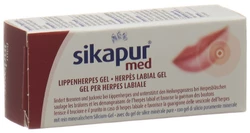
Tingling, itching or a tight feeling on the lip are the early warning signs. At this stage an antiviral cream is most effective, as the viruses have not yet multiplied significantly. Preparations containing aciclovir or penciclovir from the pharmacy can lessen or shorten the outbreak – especially when applied consistently several times a day.
-
Never open the blisters
The fluid inside the blisters is highly contagious and can cause infections elsewhere on the body – even the eye. Let the blisters heal on their own and avoid any manipulation. Tinted creams or specific herpes creams can discreetly cover the area.
-
Support healing during the open phase
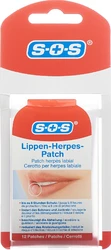
Once the blisters burst, focus on gentle care and protection. Zinc ointments, hydrocolloid dressings or wound‑healing creams help to dry out the affected area, keep germs away and promote regeneration. Herpes patches can also be worn under make‑up and are particularly suitable for small lesions.
-
Observe strict hygiene to avoid spreading
Wash your hands after every contact with the affected area, use cotton swabs to apply the cream, don’t share dishes, towels or lip care products. Kissing and close physical contact should be avoided during an outbreak.
-
Boost your immune system
A stable organism often keeps the virus in check. Make sure you get enough sleep, avoid chronic stress, exercise regularly and support your body with vitamin C, zinc and magnesium. A nutrient‑rich, low‑sugar diet also has anti‑inflammatory benefits.
-
Use supportive actives like lemon balm or lysine
Lemon balm cream is the only herbal remedy shown to inhibit viral replication. Many people also find lysine lozenges or capsules useful, which can reduce outbreaks in some cases. Lysine can be particularly helpful when the first symptoms appear.
-
Consistently protect your lips from UV rays
Strong sunlight is one of the most common triggers for cold sores. A lip balm with SPF (at least 20) should therefore be part of your daily routine – especially in summer, during winter sports and at high altitude. Products with nourishing oils or panthenol also help keep lips soft.
-
Avoid commonly misused home remedies
Tea tree oil can cause skin irritation, propolis is unreliable and honey may seal the wound temporarily but does not promote healing. Prefer medically tested products – they are more effective and gentler.
-
Pay attention to trigger factors with recurring outbreaks
Many people notice that herpes occurs more often with stress, large temperature changes or intense sun exposure. If you know your personal triggers, you can take targeted precautions – for example with stress management, UV protection or early use of antiviral creams.
-
Seek medical advice if the course worsens
If the condition does not improve after a few days, if severe pain occurs or the blisters are unusually widespread, you should see a doctor. For deeper infections antiviral tablets often help – a safe option that relieves many patients.