Papilloma
10 tips for clearer skin, fewer risks and maximum control
-
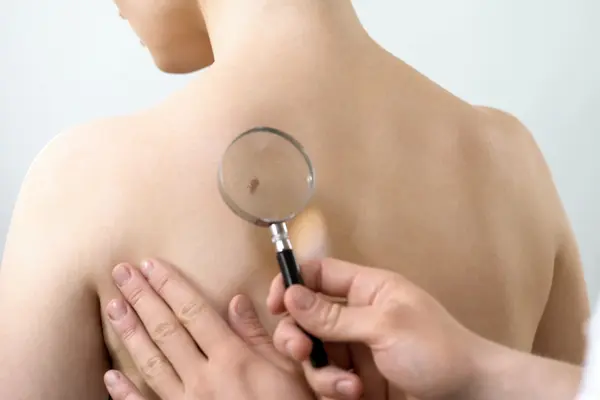
Have any new skin change assessed by a specialist
Papillomas are usually benign, but some can become problematic or be associated with HPV. Early evaluation provides reassurance and prevents unnecessary risks.
-
Maintain your skin barrier daily – it’s your first line of defence
A stable skin barrier makes it harder for viruses and irritants to take hold. Choose creams with ceramides, panthenol or niacinamide to make the skin more resilient.
-
Observe good hygiene habits in daily life
Papillomaviruses can be transmitted via towels, razors or washcloths. Never share personal hygiene items and change textiles more often – especially after sport or shaving.
-
Support your immune system in a targeted way
A strong immune system reduces the risk of HPV-related papillomas. Products containing vitamin C, zinc or immune‑supporting plant extracts can offer valuable support.
-
Care for irritated or rubbing skin folds preventively
Papillomas often occur where skin rubs against skin. Use light anti‑inflammatory lotions or zinc preparations to reduce friction and soothe the skin.
-
Never remove papillomas yourself
Home methods like cutting, tying off or using caustic substances can lead to severe infections and scarring. Pharmacies offer skin care products – but removal should always be performed by a professional.
-
Use soothing aftercare products following removal
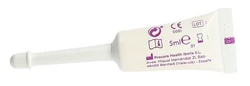
When a papilloma has been removed, the skin needs protection and regeneration. Wound‑healing creams with panthenol, zinc or antiseptic agents support a quick, clean recovery.
-
Protect sensitive skin areas daily with UV filters
UV radiation can promote skin growths. Use an effective sunscreen daily – especially on the neck, face or décolleté, where papillomas often appear.
-
Avoid irritants for papillomas in the mouth or nose area
Alcohol, smoky air, sharp‑edged foods or poorly fitting prostheses can stress the mucous membranes. Medical mouthwashes help to soothe and protect the tissue.
-
Consider HPV vaccination as an important prevention measure
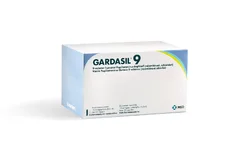
The vaccine does not protect against all papillomaviruses, but it does protect against the high‑risk types that can lead to more serious outcomes.