Calluses
10 tips to sustainably smooth dry, hardened areas
-
Soften calluses thoroughly before each treatment
A warm foot or hand soak will make hardened skin more supple and make removal easier. Additives such as nourishing bath oils or Epsom salts can enhance the effect without irritating the skin. This creates the ideal base for gentle care — with no unnecessary pressure.
-
Remove calluses gently and in small steps
Prefer pumice stone, a callus sponge or fine files. These work particularly gently and minimise the risk of injury. Regular, moderate removal is more effective and safer than occasionally removing large amounts — and keeps the skin soft and healthy over the long term.
-
Avoid aggressive tools such as rasps or blades where possible
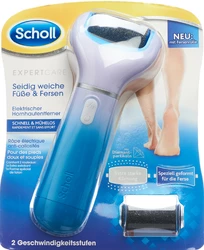
Even though they can be effective, they can quickly cause cuts, inflammation or excessive removal. If you feel uncertain using them, have a professional demonstrate the application or choose safer alternatives, such as electric files with an automatic shut-off.
-
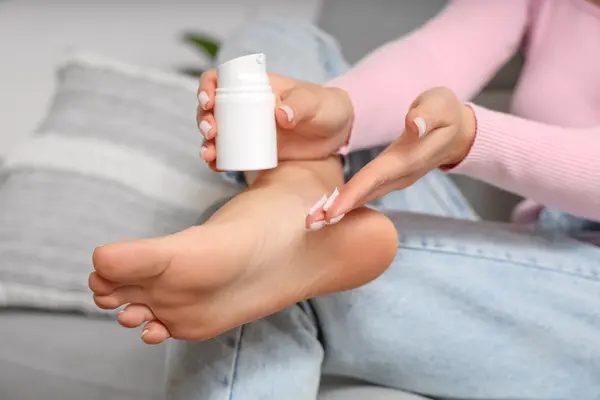
Always follow removal with a rich moisturiser
Treated areas need immediate moisture to stay soft and to prevent renewed thickening. Creams containing urea, shea butter or glycerin provide intensive nourishment and improve elasticity. For very dry spots, you can apply a thicker layer as an overnight mask under cotton socks.
-
Use urea-containing products to reduce calluses in the long term
Urea works in two ways: at low concentrations it hydrates, at higher levels it gently softens hardened skin. Regular application — particularly in the evening — can help ensure calluses do not become too thick.
-
Avoid home remedies that could disturb the skin’s natural pH
Baking soda, lemon juice or vinegar may seem natural at first glance, but they can strongly irritate the skin barrier. Instead, choose dermatologically tested products that gently exfoliate while caring for the skin. This keeps the skin protected and resilient.
-
Pay attention to proper foot hygiene and regular care intervals
Depending on skin type and activity, removal every 2–8 weeks may make sense. People who stand a lot, walk frequently or practise sports usually need shorter intervals. Watch your skin — it will tell you when a treatment is needed.
-
Choose the right footwear to help prevent calluses
Pressure and friction are common causes of excessive callus formation. Comfortable, well-fitting shoes with enough room and good cushioning prevent irritation. If the soles wear unevenly, orthopaedic advice can help correct imbalances.
-
Treat cracks immediately with a specialised fissure ointment
Dry, cracked calluses can become painful and infected. A reparative ointment with urea, panthenol or allantoin promotes healing quickly and effectively. Anti-callus socks or occlusive treatment masks overnight produce visible results as soon as the next day.
-
Seek professional support if calluses are severe
For deep cracks, pain, inflammation, diabetes or circulation problems, medical foot care is the safest option. Professionals remove calluses gently, explain possible causes and help prevent long-term issues. This keeps your feet healthy and resilient.