Corns
10 tips against painful pressure points on the foot
-
Relieve pressure on the affected area
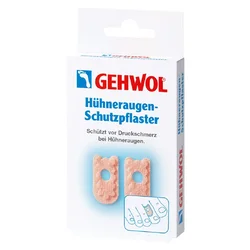
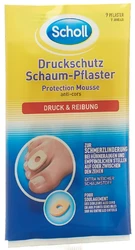
Corns form from pressure and friction. That is why relieving pressure is crucial. Wear well‑fitting shoes that provide enough room for the toes and forefoot. Shoes with a soft sole, wide toe box and low heels help reduce pressure immediately. In pharmacies you can also find pressure‑relief rings or cushioning plasters that protect the area and noticeably ease pain.
-
Use keratolytic products to gently soften the corn
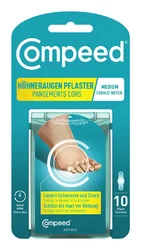
For successful treatment it is recommended to soften the corn with plasters, creams or tinctures containing urea or salicylic acid. These so‑called keratolytics slowly and gently dissolve the hardened skin layer. Corn plasters with a medicated cushion are particularly practical as they both relieve pressure and treat the lesion.
-
Active‑ingredient creams are ideal for hard‑to‑reach areas
A plaster does not always stick reliably – especially between the toes. In these cases corn tinctures or keratolytic creams are an ideal solution. Apply them several times daily, precisely to the hardened spot. Modern products are skin‑friendly and allow targeted dosing.
-
Use a warm foot bath to prepare every treatment
A foot bath makes the hardened skin more supple and increases the effectiveness of subsequent care. Add Marseille soap, baking soda or propolis to the water to further relax the skin. After 10–15 minutes the softened skin is easier to remove.
-
Remove hardened areas only mechanically – never with sharp tools
Avoid razor blades, callus knives or similar instruments. The risk of injury and infection is high. Instead use a pumice stone or a fine callus file to gently remove layers, little by little. These products are available in the foot care section of most drugstores.
-
Treat regularly and patiently – corns won’t disappear overnight
A corn usually requires several steps to remove. Repeat the combination of foot bath, keratolytic and careful removal regularly over a few weeks. Applied consistently, you will see marked improvement – provided the underlying pressure factor has been corrected.
-
Care for your feet daily for long‑term prevention
Dry skin promotes thickening – and therefore corns. Use a daily foot cream containing urea, panthenol or glycerin to keep the skin barrier supple. Pharmacies offer intensive formulations developed specifically for dry and stressed feet.
-
Use insoles or pads for foot deformities
Misalignments such as hallux valgus, flat feet or hammer toes permanently increase pressure on certain areas. Orthotic insoles, gel pads or toe separators can reduce this pressure and help prevent recurring corns. Many products today are very soft, discreet and comfortable for everyday wear.
-
Protect new or stiff shoes with preventive protective plasters
New shoes, unfamiliar materials or long periods of standing can cause friction. Early use of hydrocolloid dressings, pressure‑relief rings or gel pads will protect the skin. Modern plasters also provide moisture and reduce the risk of a corn forming in the first place.
-
Seek medical or podiatric help if symptoms persist
If the corn recurs despite treatment, is very painful or has a deep‑seated core, a doctor’s visit is advisable. For people with diabetes, circulation problems or problematic skin: never attempt removal yourself. Podiatrists offer professional, safe foot care – a sensible complement to home treatment.