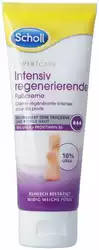
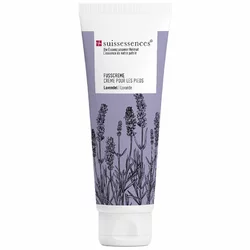
Foot cream
10 tips for silky soft soles that provide immediate relief
-
Choose a foot cream that precisely matches your needs
Before buying a product, determine which problem you want to address: dry skin, cracked heels, excessive sweating, calluses or susceptibility to fungal infections. Each of these issues requires a different combination of active ingredients. In pharmacies you will often find higher-strength medical preparations with urea or salicylic acid – ideal for heavy calluses or very dry feet.
-
Pay attention to the ingredients
High-quality foot creams contain moisturizing and regenerating ingredients such as urea (up to 10%), glycerin, shea butter, plant oils, propolis or vitamin A. For sweating problems or fungal tendency, reach for creams with tea tree oil, clotrimazole, rosemary or sage. Also check whether the product is dermatologically tested – an important quality indicator.
-
Patch-test new products on a small area first
Foot skin is more sensitive than many people realise. Propolis or essential oils can cause irritation in some individuals. A short patch test prevents unpleasant surprises and provides confidence for daily use.
-
Prepare your feet properly
Clean your feet thoroughly with warm water and a mild soap to remove dirt and germs. Then dry the spaces between the toes thoroughly, because cream should not get into these areas. The rest of the skin may remain slightly damp – this helps it absorb active ingredients more effectively.
-
Use the post-bath moisture for maximum effectiveness
Apply your foot cream immediately after showering or bathing, while the skin is still minimally damp but not dripping wet. This residual moisture enhances the delivery of actives into the skin and locks in hydration. Creams containing urea, glycerin and plant oils benefit particularly from this “moisture boost”.
-
Massage the cream in thoroughly
Take the opportunity for a short foot massage: circular movements promote microcirculation, support absorption of actives and instantly create a more relaxed feeling in the feet. Areas under high stress such as heels, balls of the feet and soles deserve extra attention.
-
Avoid cream between the toes
Foot fungus thrives in warm, moist environments. Therefore apply foot cream only to soles, heels and the tops of the toes, not in the toe clefts. If needed, use slightly powdery, antifungal products in those areas instead.
-
Use the overnight care trick for especially soft feet
Apply a more generous amount of cream in the evening and put on cotton socks over it. This “overnight mask” locks in moisture, works intensively to regenerate and leaves feet noticeably smoother by morning.
-
For specific foot issues, choose targeted ingredient combinations
If your feet need special care, look for specialised formulations. For heavy calluses, creams with urea and salicylic acid are effective because they bind moisture and gently remove hardened skin. Products with aluminium salts, mint or antibacterial farnesol help with excessive sweating. If you are prone to fungal infections, choose nourishing creams with tea tree oil, clotrimazole or silver ions. For very dry, cracked heels, rich recipes with lanolin, hyaluronic acid, propolis and high-quality plant oils are convincing. The targeted choice of active ingredients largely determines how quickly and sustainably your foot skin regenerates.
-
Care for your feet consistently
Consistency is key. A good foot cream develops its full effect when applied once or twice daily. Always focus on the most heavily stressed areas. Avoid open wounds or injuries until the skin has fully healed.