Back acne
The 10 best tips for clear skin on your back
-
Regular, gentle cleansing
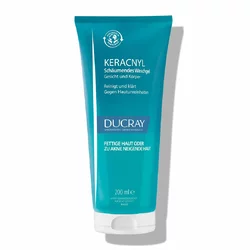
Wash your back and shoulders daily with a mild, soap-free shower gel that does not strip the skin's natural protective barrier. This removes excess oil, dirt and bacteria without drying out or irritating the skin.
-
Exfoliation for smooth skin
Regular exfoliation, once or twice a week, removes dead skin cells and clears pores of buildup. Use gentle chemical exfoliants like salicylic or glycolic acid, which also work in deeper skin layers, or mechanical scrubs with fine particles. Pay attention to skin tolerance.
-
Don't forget moisture
Even oily or acne-prone skin needs sufficient hydration. A lightweight, non-comedogenic lotion with nourishing ingredients like glycerin or hyaluronic acid supports the skin barrier and soothes inflammation.
-
Use a back brush or washcloth
Use a soft back brush or washcloth in the shower to reach hard-to-reach areas. Gently massage the skin to loosen dead skin cells and promote circulation.
-
Change your bedding regularly
Change it at least once a week to remove residues of skin flakes, dirt and sweat. This prevents bacteria and mites from accumulating and worsening your skin issues.
-
Wear breathable clothing
Opt for breathable natural fabrics such as cotton, linen or bamboo. They provide good air circulation and draw moisture away from the skin. Avoid tight or synthetic garments, as these increase friction and sweating.
-
Use sun protection
Avoid long, intense sun exposure, as this dries the skin and increases sweating. Protect your skin with a light, non-greasy sunscreen that is suitable for sensitive skin.
-
Keep hair off your back
Long hair can leave oily residues on the skin of the back and promote the formation of pimples. Tie your hair up as often as possible to help keep the skin clean.
-
Hands off — avoid picking or scratching
Avoid picking at or squeezing spots, as this worsens inflammation and can cause scarring. Instead, use gentle care and, if necessary, medical products.
- Use anti-inflammatory ingredients
Products containing ingredients such as tea tree oil, zinc or healing clay can reduce inflammation and support healing. Apply these locally to the affected areas to reduce redness.