Pimples
10 tips for clearer skin and fewer blemishes
-
Cleanse your skin gently and consistently
A mild facial cleansing routine morning and evening can remove excess sebum, dirt and makeup residue. Look for alcohol-free formulations that do not unnecessarily dry out the skin. This supports a balanced complexion without compromising the skin's natural protective barrier.
-
Use salicylic acid purposefully
Salicylic acid (BHA) can help to clarify pores and loosen dead skin cells. It is particularly suitable for oily and blemish-prone skin. When used regularly, it contributes to a refined skin texture.
-
Rely on niacinamide for more balance
Niacinamide (vitamin B3) can help to visually soothe the complexion and reduce redness. At the same time, it supports the skin barrier and provides a comfortable skin feel.
-
Introduce retinol gently
Retinol can support the skin's natural renewal and contribute to a more even complexion. Start with a low concentration and preferably use the product in the evening. A complementary moisturizer can further stabilise the skin.
-
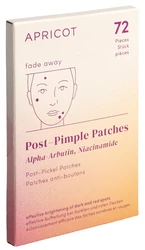
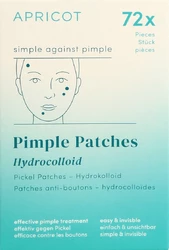
Use spot patches for pimples
Transparent patches with hydrocolloid or nourishing ingredients can be practical for individual blemishes. They cover the affected area and offer a discreet solution for daytime or overnight use. This also helps to avoid unnecessary touching of the skin.
-
Apply zinc products selectively
Zinc-containing creams or ointments can be applied spotwise. They provide a nourishing component and can visually reduce the appearance of red areas. Evening application is ideal.
-
Avoid unsuitable home remedies
Toothpaste or aggressive DIY mixtures can further stress the skin. Instead, reach for products specifically developed for blemish-prone skin. These are tailored to the needs of the skin type.
-
Don't overdo your skincare
Too frequent exfoliation or strongly drying products can weaken the skin barrier. A clear, simplified routine with matched products is usually more sensible. This supports your skin without overwhelming it.
-
Pay attention to everyday hygiene
Wash your hands regularly and clean objects that touch your face, such as your phone or makeup brushes. Fresh pillowcases can also contribute to a more comfortable skin feel. Small hygiene steps can make a long-term difference.
-
Support your skin from within
A balanced diet rich in fruits, vegetables and healthy fats can positively influence the skin's appearance. Sufficient sleep and stress reduction also contribute to more balanced skin. For pronounced or painful blemishes, it is advisable to seek medical advice.