Cystic acne
10 strategies to finally calm deep‑seated inflammation
-
Start with a gentle, pH‑neutral cleanse
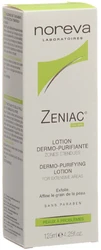
Cystic acne is sensitive to anything that further irritates the skin barrier. Use a mild, soap‑free cleanser morning and evening that removes excess oil without drying the skin. Products with a skin‑neutral pH and soothing ingredients like thermal water or probiotics help reduce inflammation and keep pores clear.
-
Use BHA acids to unclog congested pores
Salicylic acid (BHA) is one of the most effective ingredients for deep‑seated blemishes. It penetrates pores, dissolves oil build‑up and reduces inflammation. A daily BHA exfoliant – preferably a serum or toner – promotes long‑term clarity and helps prevent new cysts from forming.
-
Choose non‑comedogenic formulations for your skincare
With cystic acne, no product should further block pores. Opt for oil‑free, lightweight gels or lotions that hydrate without burdening the skin. Ingredients such as niacinamide, hyaluronic acid or probiotic complexes calm the skin and support a strong skin barrier.
-
Avoid physical scrubs – prefer gentle acids instead
Rubbing worsens inflammation and can even enlarge cysts. Chemical exfoliants with AHA, BHA or LHA work gently to remove dead skin cells and visibly refine texture. These products are especially suitable if you want a smoother, more balanced complexion.
-
Use retinoids as the gold standard for cystic acne
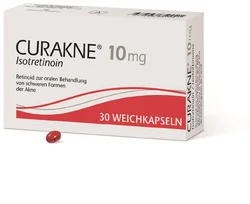
Retinoids – whether prescription or milder cosmetic versions – regulate oil production, promote cell turnover and reduce deep inflammation. For sensitive skin, choose particularly gentle retinol formulations or encapsulated pharmacy options that are effective yet low‑irritant.
-
Protect your skin daily with an oil‑free sunscreen
UV exposure worsens inflammation, promotes pigmentation and can aggravate acne – especially during medical treatments with retinoids or antibiotics. A light, mattifying SPF 50 formula protects without being greasy and helps create a more even skin tone.
-
Cool inflamed areas to reduce swelling
Short cold compresses – for example a wrapped ice cube – can quickly ease swelling and pain. This simple immediate measure reduces swelling, soothes the skin and can relieve the pressure of painful cysts.
-
Follow an anti‑inflammatory diet
Increased oil production, hormonal spikes and inflammation are often linked to diet. Reduce sugar, refined flour and dairy, and focus on whole grains, vegetables, omega‑3 fats and adequate hydration. This supports the skin from the inside, on a scientific basis.
-
Support your skin microbiome – externally and internally
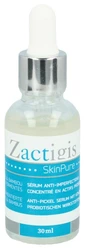
Topical probiotic skincare and oral probiotic supplements have been shown to reduce inflammatory processes. They promote a balanced skin microbiome and help skin regenerate faster. Products with fermented ingredients, probiotic extracts or gentle rebalancing formulas are particularly helpful.
-
Stick to your routine and avoid skin stressors
Wash your face after exercise, change pillowcases regularly, clean makeup brushes and avoid squeezing cysts. Stress management, sleep and consistent skincare often have a greater impact on cystic acne than many expect.