Anaphylactic shock
When seconds count: 10 life‑saving tips
-
Stay calm and reassure the affected person
Speak calmly, briefly explain the steps you will take and stay with the person. Reassurance reduces panic and makes it easier to carry out necessary measures.
-
Call emergency services immediately
If an anaphylactic shock is suspected, call 144 without delay, even if the person has already used their emergency kit. A shock can deteriorate rapidly and requires medical care.
-
Stop contact with the trigger
Prevent further exposure to the allergen by, for example, stopping an infusion, protecting against more insect stings, or preventing further food intake if a food allergy is suspected.
-
Choose the correct position according to symptoms
If the person has no breathing problems, place them flat with elevated legs (shock position). If they have breathing difficulty, sit them almost upright. If unconscious but breathing normally, place them in the recovery position.
-
Monitor vital signs and act in case of cardiac or respiratory arrest
Regularly check pulse, breathing and consciousness. If breathing stops, begin ventilation immediately. In case of cardiac arrest, start resuscitation at once (clear the airway, ventilate, chest compressions).
-
Use the adrenaline auto‑injector correctly
Remove the safety cap, press the auto‑injector firmly against the outer middle of the thigh (clothing does not need to be removed), listen for the click and hold the pen in place for about ten seconds. If the condition does not improve, a second injection may be required after 5–10 minutes.
-
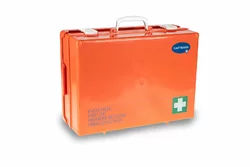
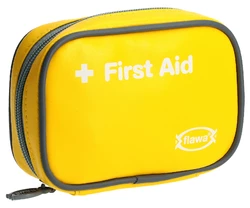
Assist with the emergency kit
Support the affected person in handling the kit according to the instructions and help them administer sprays or tablets. Many people are unsure in a panic; practical help improves the chances of success.
-
Antihistamines and corticosteroids as adjuncts
Administer antihistamines and, if indicated by a physician, corticosteroids as complementary measures. They act more slowly than adrenaline and do not replace it in a severe reaction.
-
Provide and pass on relevant information
On arrival of the emergency services, show the anaphylaxis card with triggers and medication dosages. Also report the time, medications given and the symptoms observed.
- Who should receive an emergency kit
Emergency kits are typically prescribed for people who have already experienced anaphylaxis (when the trigger cannot be safely avoided), for people with mastocytosis, for those who have had severe reactions to tree nuts, or for individuals who are highly sensitive to small amounts of an allergen.