Wasp stings
These 10 tips will prepare you well for dealing with wasps
-
Normal reaction and care
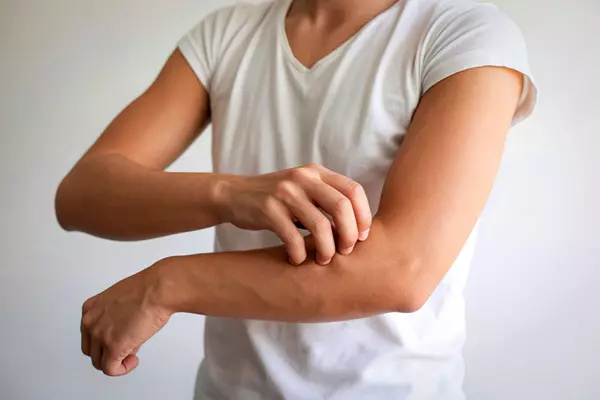
Most wasp stings cause limited redness, swelling of up to about ten centimetres and itching, which usually subside within one to two days. Avoid scratching, as this increases irritation.
-
Recognise allergic reactions quickly
Watch for symptoms such as breathing difficulties, nausea, dizziness or swelling all over the body. These may indicate an allergy to wasp venom and require immediate medical attention. Do not hesitate to call emergency services, especially after more than 20 stings or a sting inside the mouth.
-
Keep an emergency kit for allergy sufferers
Anyone with a wasp-sting allergy should always carry a doctor-prescribed emergency kit containing adrenaline, an antihistamine and corticosteroids. Early use can be life-saving and should be applied immediately if severe reactions occur.
-
Immediate cooling helps with pain
Cool the sting site immediately for 10 to 15 minutes with a cold pack or ice cubes wrapped in a cloth to reduce pain and swelling. Take breaks between applications to avoid frostbite and to increase effectiveness.
-
Use home remedies selectively
Place a fresh half onion on the sting—the juice has anti-inflammatory properties and can reduce swelling. Baking-soda water pastes can also relieve itching. These natural remedies are simple first-aid measures to soothe the skin.
-
Use specialised sting healers from the pharmacy
Suction devices or sticks that apply controlled heat can deactivate the venom in the sting without burning the skin. This gentle treatment is more effective than traditional methods, such as using a hot spoon, and is particularly skin-friendly.
-
Aloe vera for lasting skin care
The gel from a fresh aloe vera plant soothes the skin, reduces inflammation and promotes healing. Apply it to the affected area several times a day if necessary to reduce redness and itching.
-
Vinegar as a natural antiseptic
Saturate a cotton pad with vinegar and place it on the wasp sting. Vinegar disinfects the site and relieves the unpleasant itching without further irritating the skin.
-
Protect drinks from wasps
To avoid stings in the mouth, pour drinks into glasses and do not leave bottles or cans open, as wasps like to land in them. For children, closed drinking containers with a straw are particularly recommended to minimise the risk.
- Avoid sudden movements
If a wasp is near you, stay calm and do not swat at it. Remaining still prevents the wasp from feeling threatened and stinging. This creates a relaxed atmosphere and reduces the risk of stings.