Palpitations
10 measures against silent risks
-
Recognise less dangerous triggers
Not every rapid heartbeat is dangerous: fear, excited arousal or physical exertion can normally cause palpitations. It often feels like strong heartbeats and can be felt up into the throat. If there is a clear trigger and the episode subsides quickly, it is usually harmless.
-
Check your pulse regularly
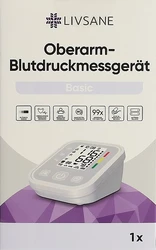
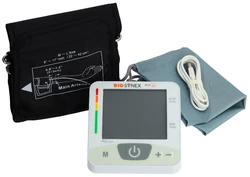
Measure your pulse regularly, for example with a blood pressure monitor, to detect a persistently elevated heart rate early. Note the date, time and value – this helps later when talking to healthcare providers.
-
Immediate step: sit down and breathe deliberately
If palpitations occur due to stress or anxiety, sit down calmly and breathe deeply and deliberately. Calm breathing can often reduce the symptoms quickly and gives you time to consider further measures.
-
Cold carbonated drink and burping
Quickly drink a cold carbonated beverage and then burp. The temporarily increased pressure in the chest can act similarly to the Valsalva manoeuvre and help calm the heart.
-
Carotid sinus massage (use with caution)
Gently massage the carotid sinus at the spot where the neck pulse is felt with your index and middle fingers. The stimulation can lower the heart rate. Because blood pressure may also drop, perform this technique only while lying down or sitting and avoid it if you have known vascular narrowings in the neck.
-
Valsalva manoeuvre step by step
Pinch your nose, close your mouth and bear down as if you were trying to exhale without letting air escape – hold for several seconds. The rise in chest pressure can temporarily slow the heart rate. Practice the manoeuvre gently and only if you feel comfortable doing so.
-
Long term: plan stress reduction
Regular stress reduction lowers the likelihood of stress-related episodes. Practical methods include progressive muscle relaxation, yoga or autogenic training – pick a technique you can integrate into your daily routine long term.
-
Avoid caffeine and nicotine if episodes are frequent
If you suffer frequent palpitations, avoid coffee, caffeinated drinks and cigarettes. Caffeine and nicotine increase heart rate and blood pressure and can promote episodes. Observe whether the frequency or severity of episodes decreases after stopping.
-
Lower body temperature during acute episodes
Cool your face to slow the pulse. Hold your breath and briefly immerse your face in very cold water or splash cold water onto your face. The lower the body temperature, the slower the heart beats – this measure can ease acute situations.
- Emergency indicators: seek immediate medical help
Call emergency services if the palpitations do not stop on their own or if the recommended immediate measures do not help, especially in case of breathing difficulties, shortness of breath, tightness in the chest, severe chest pain or intense anxiety. In such cases rapid medical care can be life‑saving.