Dry eyes
10 tips to keep your eyes feeling fresh and clear again
-
Keep your eyes consistently moisturised
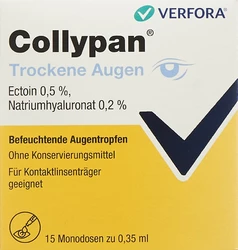
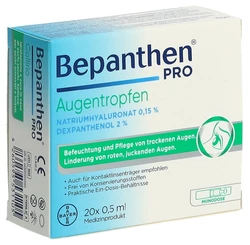
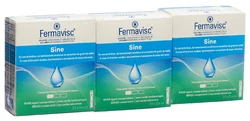
Artificial tears are among the most effective immediate measures for dry eyes. They stabilise the tear film, relieve burning and support the cornea's regeneration. Preservative-free drops, available in single‑dose vials or modern dispenser bottles, are especially recommended for sensitive eyes or frequent use. At the pharmacy you can find formulations with hyaluronic acid, lipid complexes or electrolytes, depending on your needs.
-
Care for your eyelid margins regularly
When the Meibomian glands are blocked, the tear film evaporates faster. Warm compresses (approx. 40 °C) and gentle eyelid hygiene loosen the trapped oils and noticeably improve tear quality. Heated masks from the drugstore retain warmth longer and are particularly comfortable. A daily routine over 1–2 weeks can already bring significant relief.
-
Create an eye‑friendly indoor climate
Dry heating air, air conditioning units or fans continuously draw moisture away from the eyes. A humidifier, a damp cloth over the radiator or regular short ventilations increase indoor humidity and help protect your eyes from drying out.
-
Give your eyes regular screen breaks
When concentrating on reading at a computer, blink rate can drop by up to 50%. Use the 20‑20‑20 rule: every 20 minutes look for 20 seconds at a distance of 20 feet (6 metres). Conscious blinking exercises also help distribute the tear film evenly – a simple but very effective self‑help measure.
-
Support eye health through nutrition
Omega‑3 fatty acids from salmon, mackerel, sardines, walnuts or flaxseed have anti‑inflammatory effects and promote a stable lipid layer in the tear film. Many people benefit from high‑quality omega‑3 capsules. Vitamins A, C, E, B6, B12 as well as zinc and lutein also support long‑term eye health – colourful vegetables are your best “eye medicine”.
-
Use good protective eyewear outdoors
Wind, dust and UV radiation increase tear evaporation. Wraparound sunglasses with side protection prevent drafts and keep the eyes moist for longer – a real advantage for walks, sports, beach holidays or cycling. Many models are available from opticians or pharmacies with additional UV filtering.
-
Pay attention to adequate fluid intake
A stable tear film is made up largely of water. Drinking too little increases the risk of dryness, burning and tiredness. Two litres of water or unsweetened tea a day support natural tear production. For people who often forget to drink, reminder apps can be helpful.
-
Consider overnight care products if needed
Many sufferers wake up with very dry eyes. Moisturising gels and eye ointments act overnight like a protective coating, retain moisture for longer and help the cornea regenerate. These products are particularly suitable for severe symptoms, contact lens intolerance or dry heating air.
-
Switch regularly from contact lenses to glasses
Contact lenses increase the risk of irritation because they affect the exchange of tear fluid. Give your eyes recovery periods with glasses – especially on long working days. The pharmacy also offers wetting drops specifically developed for contact lens wearers.
-
Avoid irritants and protect your natural balance
Smoke, drafts, fans, make‑up applied too close to the lid margin or aggressive cleaning products worsen symptoms. Choose gentle cleansing lotions instead, hypoallergenic eye make‑up and avoid direct airflows. Small everyday adjustments will protect your eyes from drying out again in the long term.