Eye health
10 ways to see more clearly in everyday life
-
Arrange regular preventive eye checks
From about the age of 40, have your eyes examined by a doctor every two years to detect glaucoma, diabetic changes or macular degeneration early. If you have symptoms or known pre-existing conditions, the intervals should be shorter.
-
Observe hygiene, fitting and wearing time with contact lenses
When handled correctly, contact lenses are safe, but strict hygiene is required: clean the lenses according to instructions, use suitable storage solutions and wash your hands before inserting them. Wear the lenses only for as long as recommended by the manufacturer or your eye doctor. Have them professionally fitted as well to avoid irritation and corneal damage.
-
Use glasses correctly
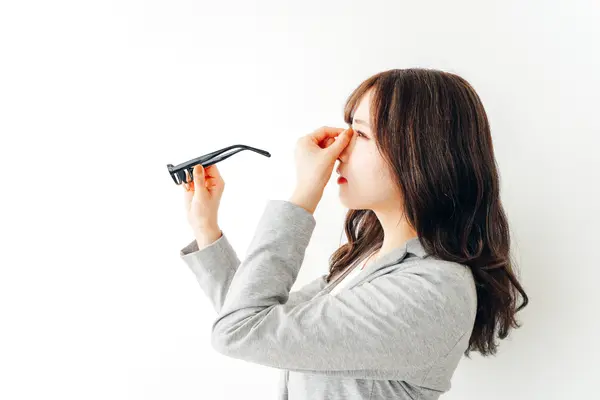
In adults, occasionally not wearing glasses usually does not cause permanent harm, but it can lead to eye strain and headaches. In children, however, early and consistent correction is crucial for normal visual development. Have visual acuity checked regularly by an optician or ophthalmologist.
-
Pay attention to screen ergonomics
Place the monitor about 50–80 cm away and at eye level or slightly below so you can look comfortably. An ergonomic seating and workstation setup reduces neck tension and eye strain during prolonged screen work.
-
Use the 20-20-20 rule
Every 20 minutes, look into the distance for about 20 seconds (roughly 20 metres). This simple break relaxes the accommodation muscles, prevents fatigue and can reduce blurred vision.
-
Reduce strain from blue light
If you use your smartphone and computer intensively, consider a blue-light filter for the screen, the night mode on your device, or specialised glasses with a blue-light filter. This reduces strain on the eye muscles and supports a healthy sleep–wake rhythm.
-
Choose the right remedy for dry eyes
Use preservative-free eye drops if necessary to support the integrity of the tear film. Follow the recommended usage and avoid prolonged overuse of preserved drops to reduce irritation.
-
Mediterranean diet strengthens the eyes
Focus on a diet rich in vegetables, fish (e.g. salmon, herring) and olive oil to provide your body with vitamins C/E and omega-3 fatty acids. These nutrients support retinal function and can help counter age-related conditions.
-
Rely on carotenoids
Eat dark green leafy vegetables, broccoli, carrots, peppers and berries regularly to obtain lutein, zeaxanthin and beta-carotene. These pigments accumulate in the macula, filter short-wavelength light and help protect the retina.
- Use supplements selectively
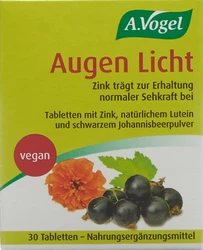
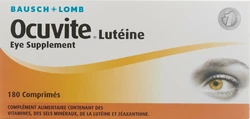
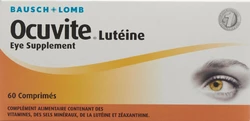
If the diet has gaps, targeted supplements containing vitamins A, B2, C and E as well as the minerals zinc, copper and selenium and the carotenoids lutein and zeaxanthin may be useful. Discuss the intake of dietary supplements with your ophthalmologist or general practitioner beforehand to determine the correct dosage and possible interactions.