Hives
10 effective tips for itchy skin rashes
-
Stay calm and avoid scratching
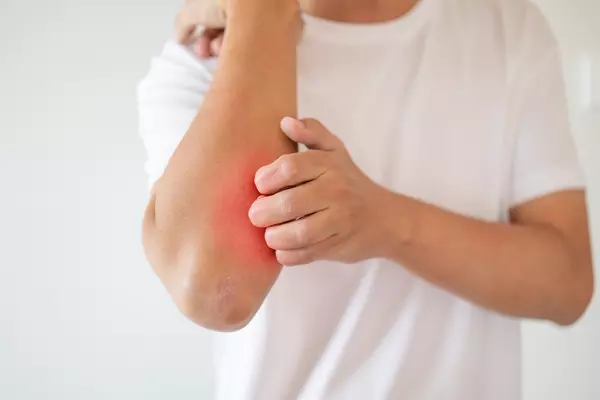
Even if the itch is intense, try not to scratch. Scratching worsens skin irritation and can lead to inflammation or scarring. Gentle, cooling compresses can help reduce the urge.
-
Cool the affected area
Cold compresses or a damp cloth relieve itching immediately and reduce redness. Be careful to cool the skin only slightly so it does not become too cold and further irritated.
- Wear comfortable, breathable clothing
Tight or synthetic clothing can make the rash worse. Opt for loose-fitting garments in cotton or linen that allow the skin to breathe and reduce friction.
- Choose mild, non-irritating skin care
Use products without fragrances, alcohol or harsh additives. Mild cleansers and nourishing creams with natural ingredients like chamomile or aloe vera gently soothe your skin.
- Avoid stress and take breaks to relax
Stress is a known trigger for skin reactions such as hives. Try relaxation exercises, meditation or walks in nature to help restore your inner balance.
-
Drink enough water
Good hydration supports metabolism and keeps your skin supple. At least 1.5 to 2 litres of water daily help the skin to regenerate.
- Use natural home remedies for itching
Coconut oil, oatmeal baths or calendula tincture are proven home remedies that soothe the skin and reduce inflammation. These gentle aids can complement your skincare routine.
- Avoid hot showers and baths
Hot water dries out the skin and can worsen the rash. Prefer lukewarm, shorter showers or baths to protect the skin's natural barrier.
- Pay attention to room temperature
Extreme heat or cold can intensify hives symptoms. Keep your living and sleeping spaces at a comfortable temperature to help prevent skin irritation.
- Seek professional advice in time
If symptoms persist or worsen despite care and home remedies, do not hesitate to consult a specialist. An accurate diagnosis and individual treatment are often the key to a quick improvement.