Ticks
The 10 best tips for safely dealing with ticks
-
Use of insect repellents (repellents)
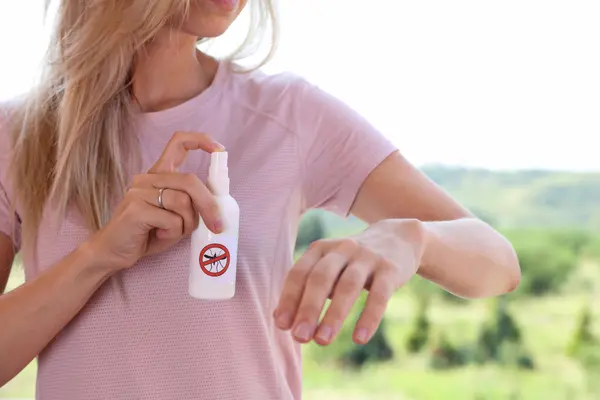
Use repellents that repel not only mosquitoes but also ticks. These products alter the smell, temperature and moisture of the skin so that ticks can no longer locate you. Remember to reapply regularly, as the duration of effectiveness is limited.
-
Wear sturdy footwear and closed clothing
When hiking or walking in the woods, always wear sturdy footwear and long socks. Wear long trousers and tuck the trouser legs into your socks so ticks cannot reach bare skin and attach themselves.
-
Choose light-coloured, protective clothing
Wear clothing that largely covers the body. Ticks are easier to spot on light fabrics and can be removed quickly.
-
Stay on paths and avoid undergrowth
Avoid contact with undergrowth, tall grass or low-lying plants when you are outdoors by staying on well-defined paths wherever possible. This reduces the chance of ticks clinging to your clothing or skin.
-
Thoroughly check your body
After every visit to the outdoors, carefully check your body. The head, behind the ears, the neck, throat, armpits, groin, between the legs and the back of the knees are preferred tick sites.
-
Store clothing correctly
Do not store clothing worn in tick-prone areas in the bedroom or shared living spaces. It is better to keep them in a separate room or sealed airtight to prevent ticks from reaching other people.
-
Wash laundry at at least 60 °C
Wash worn clothing at at least 60 °C or tumble-dry at a high temperature. Only then will ticks be reliably killed; lower temperatures do not pose a threat to the parasites.
-
Storage of clothing before washing
If clothing will be washed later, keep it in a well-sealed plastic bag in a warm place, for example on a heater or in the sun. This protects you from ticks that might otherwise escape.
-
Remove ticks correctly
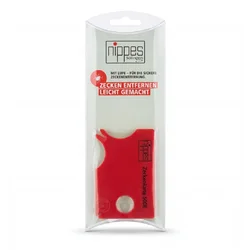
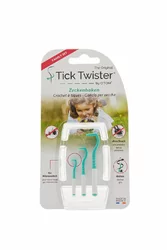
Remove ticks immediately after discovery with fine tweezers, a tick remover or a special tick card. Pull the tick slowly and straight out. Avoid twisting motions so the head does not remain embedded in the skin.
- Do not use home remedies for removal
Avoid home remedies such as oil, glue or alcohol, as these stress the tick and may cause it to transmit more pathogens while struggling. Disinfect the bite site thoroughly after removing the parasite.