Lyme disease
10 immediate measures after a tick bite
-
Can Lyme disease be cured?
Lyme disease is usually successfully treated with antibiotics. The earlier the infection is diagnosed, the greater the chances of a full recovery. Even when the brain or nervous system are involved, prospects for recovery are generally good.
-
Standard antibiotics and treatment duration
In the early stage, doxycycline is often used in adults and amoxicillin in children for two to three weeks. If internal organs or the nervous system are affected, an intravenous course of ceftriaxone may be necessary.
-
Be aware of the transmission window
Bacterial transmission usually only becomes possible after the tick has fed for several hours. The sooner you remove a tick, the lower the risk of infection.
-
How to remove ticks correctly
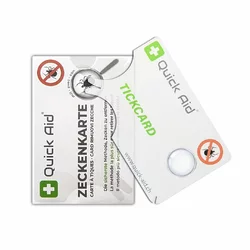
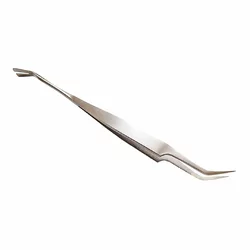
Remove ticks promptly with fine tweezers or a dedicated tick removal tool. Grasp as close to the skin as possible and pull the tick straight out with steady, even pressure, avoiding squeezing.
-
Do not use home remedies
Do not use glue, oil or nail-polish remover to kill or remove a tick, as such substances can increase the risk of transmission or alter the tick's condition.
-
Check typical locations
After being outdoors, check your body carefully: behind the knees, abdomen, chest, armpits, groin and, for children, head and neck – ticks often attach in these areas.
-
Showering as a simple preventive measure
Shower in the evening after spending time in nature. Ticks that have not yet bitten can often be rinsed off and detected early.
-
Clothing and practicality
Wear closed clothing with long sleeves and trousers ideally pulled over socks. Choose light colours so you can spot ticks more easily and make it harder for them to attach.
-
Paths rather than undergrowth – practical behaviours
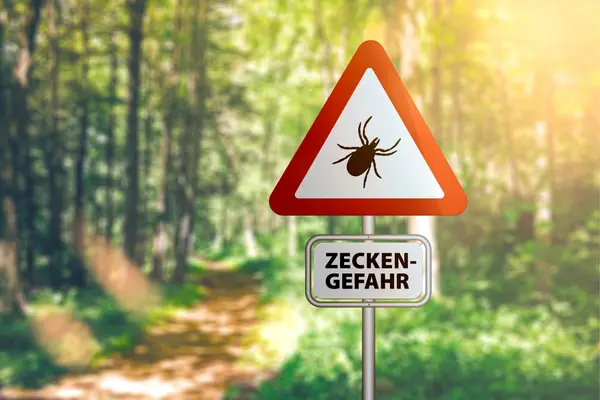
Avoid long grass and dense undergrowth. On forest walks stick to established paths and be especially vigilant at forest edges, meadows and in the garden.
- Use repellents selectively
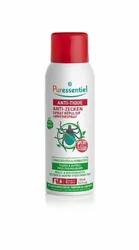
Use well-tested insect repellents that are also effective against ticks. Read the instructions on reapplication and the formulations suitable for children and adults.