Gastroesophageal reflux disease
When stomach acid burns: 10 ways out of the reflux trap
-
Medical assessment for severe symptoms
If your reflux symptoms are accompanied by difficulty swallowing, unintended weight loss, bloody vomiting or black stools, please see a doctor promptly. Only an accurate diagnosis can exclude complications such as erosive oesophagitis or Barrett's oesophagus and enable appropriate treatment.
-
Use medications selectively
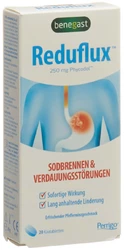
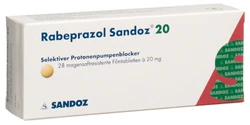
Several drug classes are available to treat reflux: antacids neutralise stomach acid for short-term relief, alginates form a protective layer in the stomach and slow the backflow. H2-receptor antagonists and proton pump inhibitors reduce gastric acid production and are considered the most effective options for more severe symptoms.
-
Avoid reflux-triggering foods
Avoid coffee, fatty foods, sweet treats, alcohol, nicotine and caffeinated drinks where possible. These foods and drinks can irritate the stomach lining, increase acid production or weaken the lower oesophageal sphincter, thereby worsening reflux symptoms.
-
Choose foods that ease reflux
Opt for foods that bind excess stomach acid, such as oats, almonds, potatoes, bananas or wholegrain bread. Protein-rich meals can also improve the tone of the lower oesophageal sphincter and thus reduce backflow.
-
Lose excess weight
A few extra kilos increase abdominal pressure and promote the backflow of stomach acid. If you are overweight, try to lose weight through a healthy diet and exercise — this can noticeably reduce your reflux symptoms.
-
Raise the head of the bed
For night-time reflux it is important to raise the head of the bed by 10–15 cm, e.g. using a wedge under the mattress or by elevating the bed legs. Pillows alone often are not enough. Many people also find relief by sleeping preferentially on their left side.
-
Watch out for triggering drinks and foods
Carbonated drinks, peppermint, chocolate as well as spicy or fatty foods can worsen reflux. Test your individual tolerance and avoid these triggers consistently.
-
Mind the pre-sleep time window
Avoid eating in the last two to three hours before going to bed. If necessary, choose small, easily digestible snacks to prevent night-time reflux.
-
Avoid tight-fitting clothing
Tight clothing, especially around the abdomen, increases pressure on the stomach and can raise the likelihood of reflux. Wear loose, comfortable clothing instead.
- Practice abdominal breathing and diaphragm exercises
Targeted breathing exercises can help relax the diaphragm and reduce pressure on the lower oesophageal sphincter. This often produces noticeable relief from reflux symptoms. Regular training also strengthens the muscles around the stomach.