Spirulina
10 power tips from the algae source
-
Prefer the powder
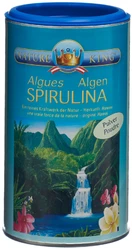
Preferably use spirulina in powder form, as this form contains all of the microalga’s nutrients and is the most flexible to dose – whether in a drink, a dressing or as a topping.
-
Dosage as powder: recommendation and caution
As a rough guideline, two teaspoons of spirulina per day are recommended. If you have a sensitive digestion, start in the first week only in the morning with about 1 g and increase to twice daily in the second week.
-
Form of intake: capsules/tablets
Tablets remove the taste. Many products have a dosage of approx. 500 mg per unit. One recommendation is to take four capsules three times a day. Follow the product label and your needs.
-
Add to dishes at the end of preparation
Always add spirulina shortly before serving, not during long cooking processes, so that heat‑sensitive ingredients are preserved and taste and colour are not affected.
-
How to use spirulina in soups and stews
Dissolve a teaspoon of spirulina powder in a little water and stir the solution in just before turning off the soup or stew to protect the nutrients.
-
Good combinations
Spirulina pairs particularly well with green vegetables such as spinach, courgettes and broccoli. Use it as a finish on these sides or in a dressing to complement the flavour.
-
Plant milk with spirulina
To make a nourishing plant milk, stir a teaspoon of spirulina into 0.5 litre of your favourite plant milk. Drink it in the morning instead of coffee or after training to recharge your energy.
-
Recipe for salad dressing and dosing
First prepare an emulsion of olive oil, lemon or lime juice, salt and herbs. Stir in ½ teaspoon of spirulina for three to four servings. If you like the flavour, you can use a little more next time.
-
Recipe for a quick spirulina smoothie
Blend 200 ml water, 2 tsp spirulina and 150 g of your favourite fruits. Sweeten if needed with honey, syrup or stevia – a quick, fruity start to the day.
- Spirulina in gomasio
Sprinkle a small amount of spirulina into homemade gomasio (toasted sesame and salt). This gives you an aromatic seasoning with an extra nutrient kick, ideal for sprinkling over rice or vegetables.