Sensitive teeth
10 tips for a comfortable smile without pain
- \n
- \n
Choose a gentle toothbrush
\n \n
Opt for a toothbrush with soft bristles that doesn’t stress the enamel unnecessarily and is gentle on your gums. Modern electric models with pressure control also help prevent too much force. Regularly replacing your brush – roughly every eight weeks – minimises bacterial buildup and helps prevent inflammation.
\n- \n
- \n
Use a sensitive toothpaste for a strong protective barrier
\n \n
Special toothpastes for sensitive teeth containing fluoride, hydroxyapatite or potassium salts strengthen the enamel surface and seal sensitive dentinal tubules. This noticeably reduces triggers such as cold or sweet foods. Avoid whitening toothpastes – they are abrasive and can increase sensitivity.
\n- \n
- \n
Reduce acidic foods
\n \n
Citrus fruits, soft drinks, coffee and acidic berries can attack enamel. If you don’t want to give them up, drink such beverages with a straw and rinse afterwards with water. A glass of milk or natural yoghurt also helps buffer and neutralise pH.
\n- \n
- \n
Improve your brushing technique
\n \n
Scrubbing hard damages enamel and promotes gum recession. Instead, brush gently from pink to white – from the gum toward the tooth. Hold the toothbrush with your fingertips only to naturally apply less pressure. A better technique can bring relief within a few days.
\n- \n
- \n
Use fluoride gels for extra protection at home
\n \n
Used once a week, fluoride gels strengthen enamel and make sensitive areas more resilient. These gels are available in pharmacies and are ideal as a complementary care measure – especially if you often have acid exposure or notice exposed tooth necks.
\n- \n
- \n
Rely on professional protective treatments at the dentist
\n \n
Your dentist can cover sensitive areas with fluoride varnish or a resin sealant. These ultra-thin protective layers seal the open tubules in the dentin and often provide immediate relief. Regular prophylaxis additionally protects against inflammation and gum recession.
\n- \n
- \n
Protect your teeth during the night
\n \n
Night-time teeth grinding is a common cause of sensitive teeth. A bite guard, custom-made by the dentist or available preformed, acts as a buffer between the teeth and prevents wear. This can reduce enamel loss and pain in the long term.
\n- \n
- \n
Include a gentle mouthwash in your routine
\n \n
A pH-neutral mouthwash or a sensitivity oral care product with hydroxyapatite strengthens the tooth surface and removes bacteria from hard-to-reach areas. Avoid high-alcohol mouthwashes: they dry out tissues and can worsen sensitivity.
\n- \n
- \n
Pay attention to your diet
\n \n
High-fibre foods stimulate saliva flow, which in turn neutralises acids. A diet rich in vitamins and minerals – especially calcium-containing foods – supports strong enamel. If you enjoy fruit, combine it with yoghurt or almonds to reduce the acid effect.
\n- \n
- \n
Act immediately if a single tooth hurts
\n \n
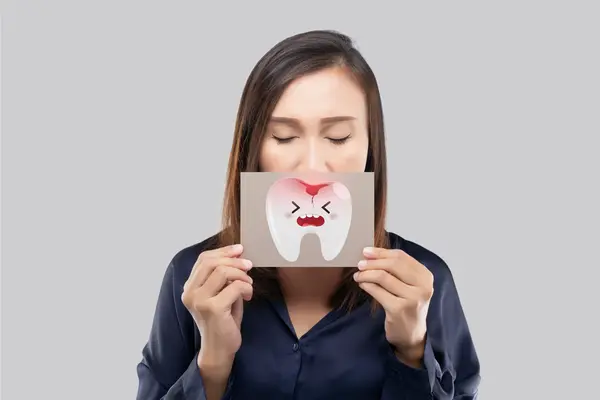
A focused, localised pain often indicates decay, an early root inflammation or trauma – not general tooth sensitivity. In such cases, a prompt dental visit is crucial to stop damage and save the tooth. The earlier the cause is identified, the better the prognosis.