Oral care
10 simple steps to perfect oral hygiene
-
First choose the right toothbrush
Use a toothbrush with medium-strength, rounded bristles. These clean thoroughly while being gentle on the gums. Electric toothbrushes are particularly recommended, as they remove plaque more effectively and make brushing easier.
-
Use a fluoride toothpaste
Fluoride strengthens tooth enamel and protects against cavities. It supports remineralisation of the teeth and forms a protective barrier against acid attacks. Avoid highly abrasive whitening toothpastes, as they can damage enamel over time.
-
Thoroughly clean your interdental spaces
Regular toothbrushes often do not reach all areas. Use dental floss daily for tight spaces and interdental brushes for larger gaps or when wearing braces to remove food particles and plaque.
-
Don't forget to clean your tongue
Many bacteria accumulate on the tongue and can cause bad breath. Clean your tongue regularly with a tongue scraper or your toothbrush to remove coatings and improve your sense of taste.
-
Use an oral irrigator if needed
Especially for sensitive gums or periodontitis, an oral irrigator can be a useful addition to daily oral care. It removes food debris with a water jet, even in hard-to-reach places. However, it does not replace floss or interdental brushes.
-
Follow the two-by-two rule
Brush your teeth at least twice a day – morning and evening – for at least two minutes each time. Be sure to clean the inner, outer and chewing surfaces thoroughly to remove plaque and food particles completely.
-
Wait before brushing your teeth after consuming acidic foods
After consuming citrus fruits, soft drinks or wine, wait at least 30 minutes. Acids soften tooth enamel, so brushing too soon can damage the protective layer of the teeth.
-
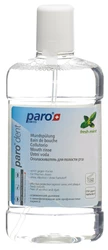
Complement your oral care with an antibacterial mouthwash
Mouthwashes containing active ingredients such as chlorhexidine can reduce bacteria and freshen breath. Choose alcohol-free variants to avoid drying out the oral flora. They do not, however, replace mechanical cleaning.
-
Chew sugar-free gum with xylitol when necessary
If you cannot brush your teeth while out and about, xylitol gum stimulates saliva production, neutralises acids and has antibacterial effects. This naturally supports oral health.
- Say no to smoking
Tobacco smoke causes tooth discolouration, damages the gums and increases the risk of periodontitis. To preserve your long-term oral health, you should quit smoking or significantly reduce consumption.