Prostate enlargement
10 tips for effective relief of prostate complaints
-
Plant-based preparations can provide supportive benefits
An example is saw palmetto, which contains phytosterols and free fatty acids. These can have anti-inflammatory and anti-androgen effects. Pumpkin seed extracts with their fatty acids and nettle roots with antioxidant properties are also commonly used remedies.
-
Alpha-blockers can make bladder emptying easier
These medications relax the muscles of the bladder neck and prostate, improve urine flow and help with symptoms such as frequent urges to urinate and nocturia.
-
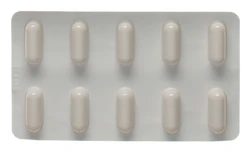
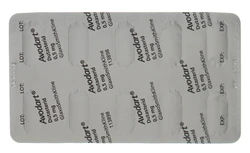
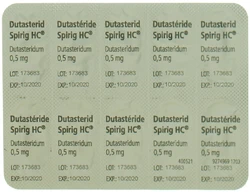
5-alpha-reductase inhibitors can reduce prostate tissue
They inhibit the conversion of testosterone to dihydrotestosterone, which affects the size of the prostate. As a result, they can limit gland growth and relieve pressure on the urethra.
-
Use the annual prostate screening from age 45
This includes a detailed medical history, a digital rectal examination of the prostate, and an examination of the groin and external genitalia.
-
Use spicy foods sparingly
Spicy foods can have a diuretic effect and may worsen urinary symptoms. A mild diet helps minimise bladder and prostate complaints.
-
Drink evenly distributed fluids of 1.5 to 2 litres daily
Distribute your fluid intake throughout the day and avoid large amounts in the evening. This reduces nighttime urges to urinate and eases the bladder.
-
Try bladder training
In consultation with your doctor you can practice controlling the urge to urinate and not giving in immediately. This technique lengthens the intervals between toilet visits and improves bladder capacity.
-
Stay active and exercise regularly
Endurance sports such as jogging, swimming, cycling or hiking are recommended. These improve circulation in the pelvic region and support prostate health.
-
Eat a balanced, fibre-rich diet
Focus on a diet with plenty of fresh fruit, vegetables and wholegrain products. Prefer plant-based fats and reduce sugar intake. This diet promotes a healthy body weight and supports prostate well‑being.
- If drug therapies are not sufficient, various surgical methods are available
These include transurethral resection of the prostate (TUR-P), electrovaporisation, laser vaporisation and open surgery. The method chosen depends on prostate size, severity of symptoms and your overall health.