Pancreatitis
Master your pancreatitis safely with these 10 tips
-
Recognise the warning signs of an acute inflammation early
Typical signs are severe, belt-like abdominal pain that radiates to the back. Associated symptoms such as nausea, vomiting or jaundice should also be taken seriously. See a doctor as soon as possible, especially if the pain comes on suddenly and intensely.
-
Monitor pain carefully in chronic pancreatitis
Recurrent or persistent upper abdominal pain that worsens after eating often points to a chronic inflammation. An upright or forward-leaning sitting position can often provide relief.
-
Use laboratory values as important diagnostic steps
Elevated enzymes such as lipase and alpha-amylase in the blood are typical indicators of pancreatitis. Blood glucose, liver and kidney values, and calcium levels should also be assessed to better narrow down possible causes.
-
Imaging techniques support a reliable diagnosis
Ultrasound, CT or MRI can detect gallstones, the extent of the inflammation and complications. Sometimes an ERCP is also required to remove gallstones or treat blocked bile ducts.
-
Reduce your alcohol consumption consistently
Alcohol is a major risk factor and can worsen an inflammation. Avoid alcoholic beverages to relieve your pancreas and protect it in the long term.
-
Opt for a balanced, fibre-rich diet
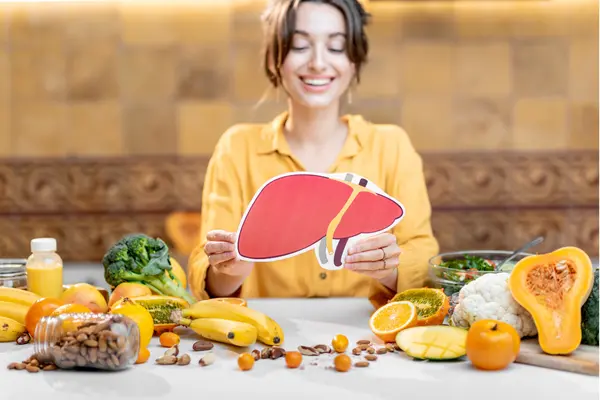
Fruits, vegetables, wholegrains and lean protein sources such as fish or chicken are particularly suitable because they are easy to digest and do not overload the pancreas. Avoid fatty and highly processed foods to help prevent inflammation.
-
Manage your body weight through a healthy lifestyle
Overweight places a burden on the pancreas and increases the risk of disease. Regular exercise and a balanced diet help you keep your weight at a healthy level.
-
Eat small meals regularly
Long pauses between meals and irregular eating can unnecessarily strain the pancreas. Plan your meals so that your blood sugar remains stable and the production of digestive enzymes proceeds evenly.
- Use anti-inflammatory spices in the kitchen
Incorporate turmeric, ginger, cinnamon or coriander into your dishes. These spices contain valuable plant compounds that can reduce inflammation and support pancreatic health.
-
Watch for changes in bowel movements
In chronic pancreatitis, reduced enzyme production can lead to greasy, foul-smelling stools with oil droplets. Such signs of malabsorption are important indicators to report to your doctor, as they require adapted therapy.