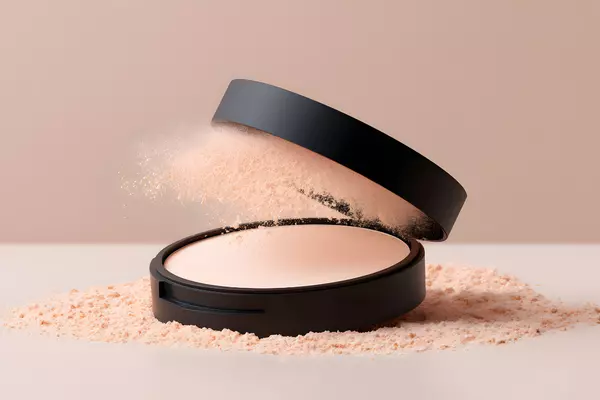
Primer
Want longer-lasting makeup? 10 tips for the ideal base
-
Choose a primer suited to your skin type
Not every primer suits every skin – so pay attention to your individual needs. Whether dry, oily or sensitive, the right formulation can help to visually even out the skin’s appearance. This creates an ideal base for a natural-looking, even makeup.
-
Rely on hydrating ingredients
Primers with ingredients like hyaluronic acid, aloe vera or glycerin can hydrate the skin and give a fresh appearance. Especially for dry skin, this can help makeup sit more evenly. At the same time, the skin feels smoother and gains a natural glow.
-
Support your skin with nourishing oils
For dry skin, a primer containing plant oils such as jojoba or olive oil can be a useful addition. These ingredients can help promote a comfortable skin feel and visually smooth dry patches. Your complexion will appear more harmonious overall.
-
Soothe sensitive skin selectively
Sensitive skin benefits from gentle formulations with ingredients like panthenol, chamomile or niacinamide. These can help improve skin comfort and reduce the appearance of redness. A light, water-based primer can feel particularly pleasant here.
-
Target excess shine on oily areas
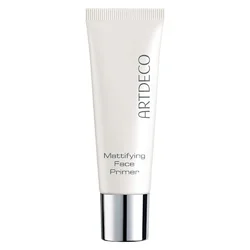
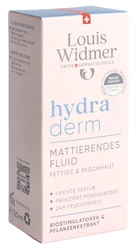
For oily or blemish-prone skin, lightweight, oil-free primers can be useful. Ingredients like kaolin or silica can help reduce excess shine and support a more even finish. This helps your makeup stay fresh for longer.
-
Refine the skin’s appearance visually
A primer can help make pores and fine lines appear less visible. Silicone-based textures in particular sit on the skin like a fine film and create a smoother surface. As a result, makeup can look more even.
-
Use colour-correcting strategically
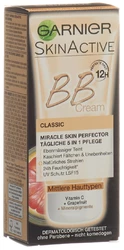
Tinted primers offer the possibility to balance the complexion visually. Green shades can neutralise redness, while other tones can add freshness. This technique can contribute to a more harmonious overall look.
-
Apply primer correctly
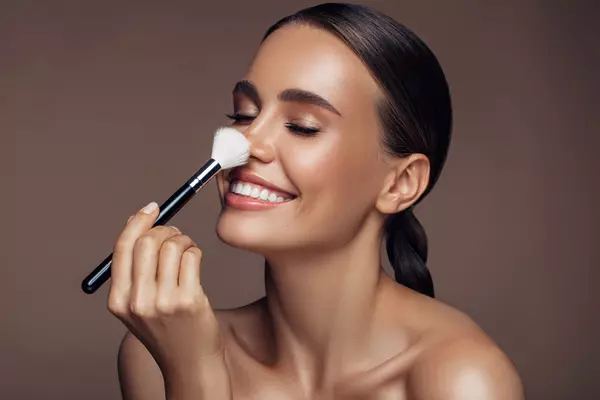
A small amount is often enough to achieve the desired effect. Gently spread the primer and let it absorb briefly before applying foundation. This allows the products to bind better and the result to look more even.
-
Opt for targeted application
You don’t always have to use primer all over the face. Often it’s enough to apply it only to specific areas such as the T-zone or dry patches. This targeted application can make your makeup look more natural and personalised.
-
Integrate it sensibly into your routine
Primers can be a practical addition to your daily beauty routine. That way you can coordinate your skincare and makeup steps optimally and achieve the finish you want.