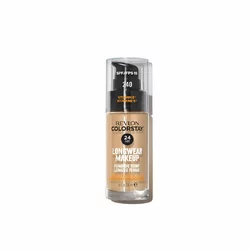
Foundation
10 tips for a flawless finish without a mask-like effect
-
Choose your foundation like a second skin
Your foundation should not sit on top of the skin but blend into it. Make sure the texture and shade match your natural skin tone and type. A well-chosen foundation makes your face look fresh, vibrant and even — without a mask-like effect.
-
Find the perfect undertone
Your skin's undertone is crucial to whether a foundation looks natural or mask-like. You can easily check it on the inside of your wrist: if your veins appear bluish, a cool, rosy-toned foundation will suit you. If the veins look greenish, warm, golden-beige shades will harmonise with your complexion. If you see both, your undertone is neutral — almost any shade will work. This quick test helps avoid buying the wrong colour and find a shade that blends with your skin rather than sitting on it.
-
Test foundation properly — in the right light
Apply the shade along the jawline and check it in daylight. It’s a perfect match only if it blends with both your face and neck. Many pharmacies offer samples — this makes finding your ideal shade stress-free.
-
Choose the texture that suits your skin's needs
Liquid foundations hydrate and bring freshness, mousse textures mattify and conceal unevenness, compact formulas prevent shine. Mature skin benefits from anti-age foundations with hyaluronic acid or vitamins that smooth and nourish.
-
Prepare your skin properly
Cleanse, moisturise, prime — that’s the key to an even result. A light day cream and a primer help foundation adhere better, fill pores and provide long-lasting wear without drying out.
-
Apply foundation in layers
Start with a small amount in the centre of the face and blend outwards. This creates a natural finish without edges. If you want more coverage, build the product up gradually rather than applying too much at once.
-
Adjust your foundation to the season
Your skin changes throughout the year — it’s usually darker in summer and lighter in winter. That’s why it’s useful to have two shades: a lighter one for the cold season and a darker one for the warm season. You can also mix them to create in-between shades for spring or autumn. This keeps your complexion natural and harmonious, whatever the season or your level of tan.
-
Pay attention to the right coverage for your look
Coverage defines the expression of your make-up. For a light, natural finish, low coverage is enough to gently even out the skin tone. Medium coverage works well for a consistent everyday complexion, while high-coverage formulas reliably conceal blemishes, redness or pigmentation spots. Choose your foundation based on how much you want to show — or conceal.
-
Set your make-up for long wear and freshness
To keep your foundation lasting all day, a setting step is worthwhile. A translucent powder or setting spray prevents make-up from moving or becoming shiny. A mattifying product is especially helpful in the T-zone to absorb excess sebum. For dry skin types, a hydrating setting spray is ideal to keep the skin looking fresh and plump.
-
Don’t forget evening care
After a long day, thorough make-up removal is essential. Remove your foundation with a gentle cleansing product that effectively dissolves make-up residues and dirt. Afterwards use a regenerating night care to strengthen the skin barrier and replenish moisture reserves. This keeps your skin healthy, balanced and ready for the next perfect foundation day.