Photoaging
10 anti-radiation hacks for a radiant, even complexion
-
Rely on daily broad-spectrum sun protection
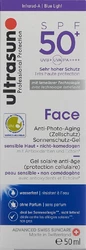
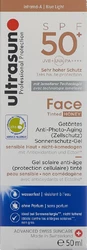
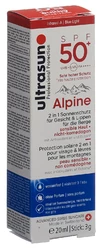
Protect your skin consistently with a broad-spectrum sunscreen SPF 30–50 that shields against UVA, UVB and ideally also HEV/blue light. This step is the most effective measure against wrinkles, pigment spots and collagen breakdown. Choose a modern, lightweight texture that you enjoy using every morning.
-
Apply enough product — and reapply regularly
Many damages occur because too little sunscreen is used. Use the two-finger rule for face and neck and renew protection every two hours — especially when sweating, exercising or spending time outdoors. This keeps protection consistent.
-
Supplement your routine with potent antioxidants
Vitamin C, vitamin E, niacinamide or resveratrol neutralise free radicals, strengthen the skin barrier and reduce light-induced pigment spots. These actives make your routine significantly more effective — particularly in the morning under sunscreen.
-
Give your skin intense hydration
UV rays dry out the skin. Hyaluronic acid, glycerin, panthenol and ceramides refill moisture stores and support regeneration. Well-hydrated skin looks plumper, smoother and more resilient.
-
Choose protective clothing and accessories
Long-sleeved shirts, a wide-brimmed hat and UV400 sunglasses protect sensitive areas like the forehead, eyes and décolleté. UV-protective clothing is a particularly good addition for sun-intense days.
-
Avoid the peak sun hours
Plan activities preferably before 11am or after 4pm. At these times UV exposure is especially high — and so is the risk for wrinkles, sun spots and loss of elasticity.
-
Skip tanning beds
Tanning-bed light contains extremely high levels of UVA — precisely the rays that penetrate deeply into tissues and destroy collagen fibres. Even a few sessions significantly increase wrinkles, skin laxity and cancer risk.
-
Choose your actives wisely
Retinol, fruit acids (AHA/BHA) and peels promote cell renewal and reduce signs of photoaging. Always combine these actives with high UV protection — this allows optimal skin regeneration without additional irritation.
-
Support your skin from within
Antioxidant-rich foods — berries, nuts, leafy greens, tomatoes or oily fish — strengthen the skin against oxidative damage. Good hydration also helps preserve elasticity.
-
Check your skin regularly
Watch for new pigment spots, rough patches or noticeable changes. Especially if you have had a lot of sun exposure in the past, regular checks by a dermatologist are a valuable part of prevention.