Eye protection in summer
10 sun secrets for strong and healthy eyes
-
Choose sunglasses with certified UV protection
When buying sunglasses, look for the labels „UV 400“ or „100 % UV protection“. These filters block both UVA and UVB rays – even on cloudy days. The larger the lens, the better the coverage. Ask your pharmacy which model provides the most reliable protection for your eyes.
-
Also wear a wide-brimmed summer hat
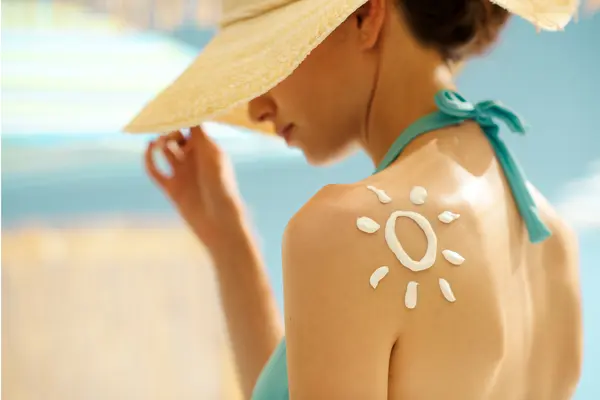
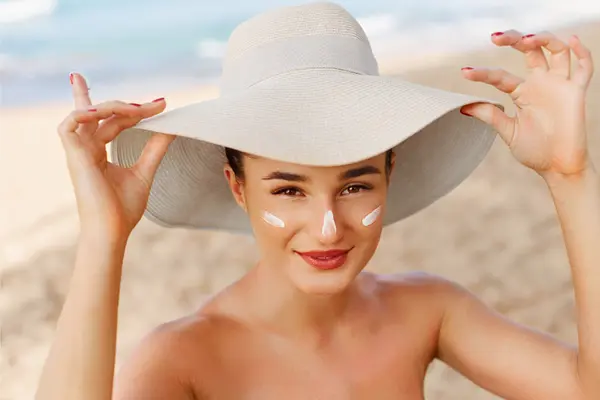
A wide-brimmed hat prevents UV rays from entering around the eyes from above or the sides. Combined with high-quality sunglasses, it provides particularly effective all-around protection – ideal at the beach, in the mountains or in the city.
-
Keep your eyes comfortable with moisturizing drops
Heat, wind, salt or chlorinated water can dry out the eyes quickly. Preservative-free moisturizing eye drops with hyaluronic acid stabilise the tear film and prevent burning, redness and the feeling of a foreign body. Ask at the pharmacy for drops that suit your needs.
-
Avoid rubbing your eyes
In summer there is more pollen, sand and dust in the air. Rubbing the eyes can cause these particles to trigger irritation or inflammation. Instead, rinse your eyes gently with clean water or a mild saline solution.
-
Drink enough – for healthy eyes too
Good hydration supports natural tear production and protects against dryness. Ideally drink at least 1.5–2 litres of water a day. Needs increase noticeably in heat or during physical activity.
-
Always use swimming goggles at the beach or pool
Salt water, chlorine and UV rays place a heavy burden on the eyes. A well-fitting pair of swimming goggles reliably protects against irritants – especially important for contact lens wearers. After swimming, it is advisable to rinse the eyes with clear water.
-
Care for the delicate eye area with suitable products
The skin around the eyes is particularly thin and sensitive. Eye creams with hyaluronic acid, aloe vera, glycerin or vitamin C provide moisture, soothe and support skin regeneration. Cooling eye gels or ampoules are particularly pleasant in summer.
-
Mind the main sun hours between 10 and 16
UV radiation is strongest during this time. Stay in the shade where possible, wear a sun hat and sunglasses – and give your eyes regular breaks from bright light.
-
Protect your eyes during outdoor activities
During sports or gardening, the eyes are exposed to additional risks. Simple safety glasses protect against foreign bodies, dust or small particles – and can prevent long-term damage.
-
Check your eye health regularly
Older people in particular should watch for symptoms in summer such as persistent redness, pain, blurred vision or light sensitivity. Regular checks with an eye specialist – e.g. visual acuity, intraocular pressure or retinal examination – enable early diagnosis and ensure long-term protection.