Peppermint
Make the most of peppermint with these 10 tips
-
Targeted relief for tension headaches
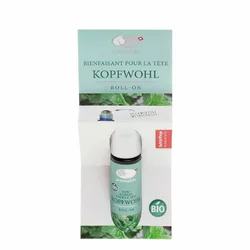
For tension headaches, gently massage a small amount of diluted peppermint oil into the scalp. Applying cold afterwards, for example with ice cubes, can further help to ease the pain.
-
Clearing inhalation for a blocked nose
A drop of peppermint oil in a bowl of hot steam works effectively to clear the airways. Be careful to use the oil sparingly and not to make the steam source too hot to avoid scalding.
-
Enjoy it the classic way – properly brewed peppermint tea
Prepare your peppermint tea by pouring hot water over 1.5 to 3 grams of coarsely chopped leaves. Cover the cup and let the tea steep for five to ten minutes so the full aroma can develop.
-
Herbal blend against bloating
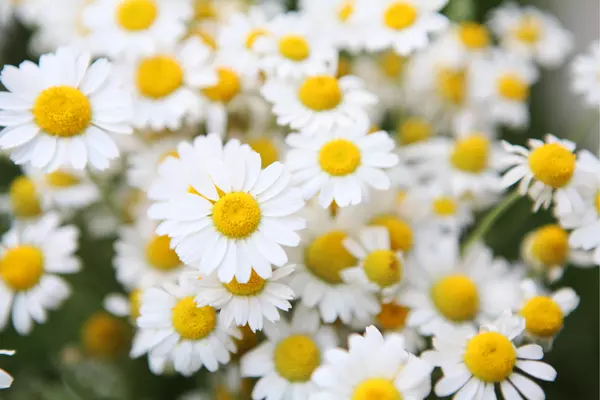
Support your digestion by combining peppermint with other soothing medicinal herbs such as chamomile, fennel or caraway. The harmonious blend works effectively against bloating and cramp-like discomfort.
-
Homemade mouthwash for fresh breath
Improve your oral hygiene with a homemade mouthwash made from peppermint tea or extract. The antibacterial agent provides long-lasting freshness, especially after toothbrushing.
-
Cooling compresses for sunburn
Relieve skin irritation after too much sun with damp compresses of cold peppermint tea or diluted peppermint oil. This application cools pleasantly and reduces tension sensations on the skin.
-
Natural protection against mosquitoes
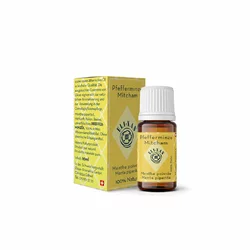
Use diluted peppermint oil as a gentle insect repellent. Apply a few drops to your clothing or directly onto the skin.
-
Savoury cooking with peppermint
Use fresh or dried peppermint as an aromatic ingredient in savoury dishes. It pairs wonderfully with sauces, curries and meats like poultry or lamb, and also complements legumes and vegetables.
-
Delicious aroma in sweet creations
Enhance desserts and drinks with a well-diluted drop of peppermint extract dissolved in honey or syrup. This gives cocktails, lemonades or chocolate recipes a subtle, refreshing note.
- Be cautious when using peppermint oil
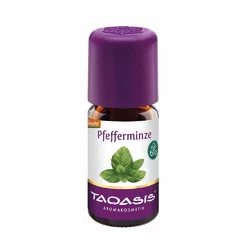
Do not apply undiluted peppermint oil directly to sensitive areas of skin. Always dilute the essential oil in a suitable carrier oil, for example almond or olive oil, to avoid irritation.