Aromatherapy
10 tips to harness the power of pure plant essences correctly
-
Choose 100% pure natural oils – for real effect
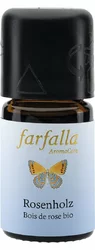
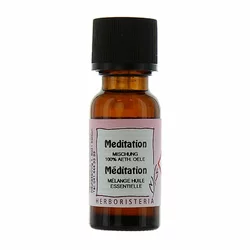
Aromatherapy works best when the oils are pure. Opt for tested essential oils obtained by steam distillation, cold pressing or extraction – preferably organic. Synthetic fragrances may smell similar but have little therapeutic value. High-quality oils are identifiable by clarity, origin information and a fair price.
-
Select scents intentionally according to mood and need
Essential oils affect both emotions and the body – use them purposefully. Citrus scents invigorate and support concentration. Lavender and herbal essences calm and relax. Woody and spicy notes like cedarwood or patchouli ground and stabilise. This creates a fragrance profile that can positively influence your daily life.
-
Always dilute essential oils correctly
Undiluted oils can irritate skin and mucous membranes. Always blend essential essences with a carrier oil such as sweet almond, jojoba or apricot kernel oil. Depending on the oil, 1–3 drops per 10 ml of carrier oil are often sufficient – less is truly more here. This yields a safe, skin-friendly treatment with maximum effect.
-
Take care with use on children and sensitive people
Babies, children, pregnant people and those with chronic illnesses need particularly gentle oils and low dosages. Some essences (e.g. mentholated oils) are unsuitable for toddlers. When in doubt, seek advice and always test new scents cautiously.
-
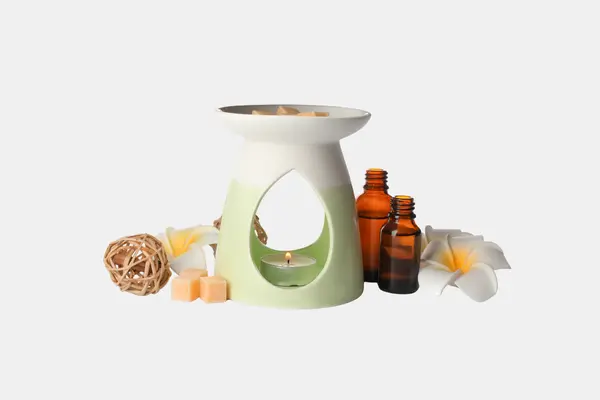
Use fragrance lamps & diffusers for room harmony
For room scenting, 5–10 drops in a fragrance lamp or diffuser are enough for about 20 m². Citrus oils have an immediate refreshing effect, while warm woody notes stabilise the space. Use scents in short intervals deliberately – this increases effectiveness and prevents habituation.
-
Discover aromatic baths as a soothing ritual
An aromatic bath relaxes, invigorates or helps at the first signs of a cold. To disperse the oils properly you always need an emulsifier: for example cream, honey, salt or vegetable oil. For a full bath 10–15 drops of essential oil are sufficient – but never menthol oils, which cool strongly in hot water.
-
Try homemade massage oils for greater wellbeing
A gentle massage enhances the effect of the scents. Combine, for example, lavender with almond oil for relaxation or rosemary to energise. A homemade oil requires only a few drops of essential essence – ideal for neck, feet or tense shoulders.
-
Use appropriate scents to support health
Aromatherapy does not replace medicine but can be a valuable complement. Eucalyptus and peppermint open the airways. Lavender and bergamot promote peaceful sleep. Jasmine and rose lift the mood. Used correctly, scents act like small helpers in everyday life.
-
Store essential oils properly – for maximum quality
Direct sunlight, heat and open bottles impair effectiveness. Store your oils in the dark, cool and well closed – preferably in a cupboard and out of reach of children. That way fragrance and active compounds remain stable over time.
-
Approach new scents gradually
Our sense of smell reacts individually. Always start with 1–2 drops to check how you respond to a scent. Some oils can cause headaches or irritation if overdosed. The more consciously you test, the easier it is to find your personal favourite essences.