Ingrown hairs
10 methods for smooth skin after every shave
-
Use regular exfoliation to clear the way for hairs
Ingrown hairs often occur when dead skin cells block the hair growth channel. A gentle exfoliation once or twice a week — mechanical or chemical — prevents this and helps hairs grow straight to the surface. Exfoliants with salicylic acid or glycolic acid are particularly effective and can be found at any well-stocked drugstore or pharmacy.
-
Thoroughly prepare the skin before each shave
Soft skin = less resistance = fewer ingrown hairs. Wet the skin for at least three minutes with warm water and use a creamy shaving gel or a hydrating shaving foam. This lets the blade glide more smoothly and significantly reduces skin irritation.
-
Shave gently, cleanly and always with the grain
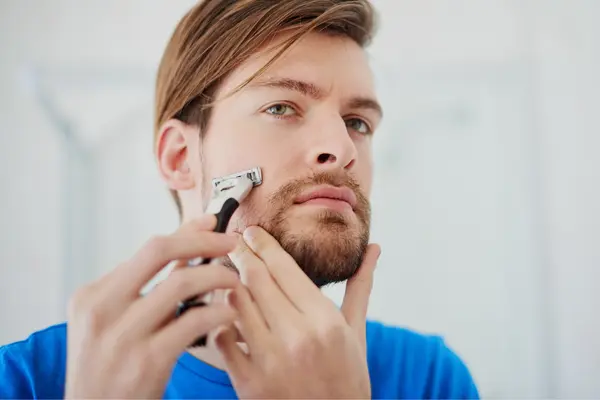
Sharp blades are crucial — dull blades pull on the hair, bend it and promote ingrown hairs. Move the razor with the grain and without pressure over the skin. A thorough but gentle shave is the best foundation for smooth skin without irritation.
-
Keep your skin well moisturised after shaving
Dry skin is more prone to thickening — and therefore to ingrown hairs. After hair removal, use a moisturising lotion with soothing ingredients like Aloe vera, panthenol or hyaluronic acid. Care creams from a pharmacy or drugstore also help strengthen the skin barrier.
-
Choose loose clothing to avoid friction and pressure
The skin is especially sensitive after hair removal. Tight trousers or underwear cause friction and irritate hair follicles — a common reason for ingrown hairs on legs, underarms and the intimate area. Breathable, loose clothing works wonders here.
-
Use warm compresses to free ingrown hairs
A warm, damp cloth softens the skin, opens the pores and makes it easier for the hair to reach the surface. This simple method often speeds healing and is perfect for first aid at home.
-
Work only with sterile tools — and only if the hair is visible
If the hair is already slightly visible, you can gently release it with sterile tweezers or a needle. Important: never squeeze, never pick. That leads to inflammation and scarring. If it cannot be done easily, a dermatologist can help safely.
-
Reach for antibacterial or anti-inflammatory creams
Products with zinc, salicylic acid, niacinamide or antibacterial formulas soothe irritated spots, reduce inflammation and support healing. Pharmacies offer specific solutions developed especially for ingrown hairs.
-
Treat sensitive areas with extra care — especially the intimate area and underarms
The skin is thin and quickly irritated in these areas. Exfoliate gently, use high-quality shaving products and consider alternative methods such as waxing or professional hair removal if ingrown hairs are severe. Professional advice is particularly worthwhile in these zones.
-
Opt for professional methods for stubborn cases
If ingrown hairs recur frequently, the cause may lie deeper. Permanent laser hair removal, medical peels or dermatological treatments offer long-term solutions and spare you repeated irritation.