Methionine
10 tips for the optimal methionine effect
-
Focus on a protein-rich diet
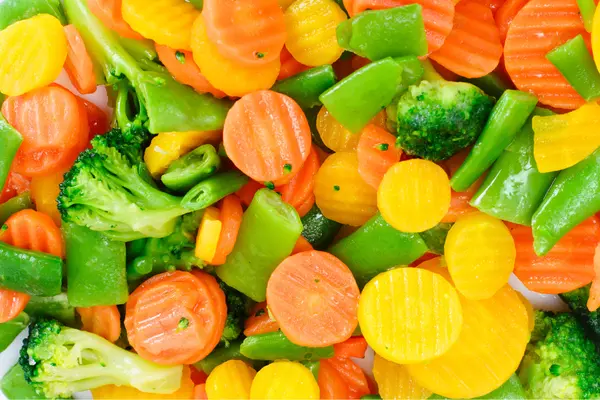
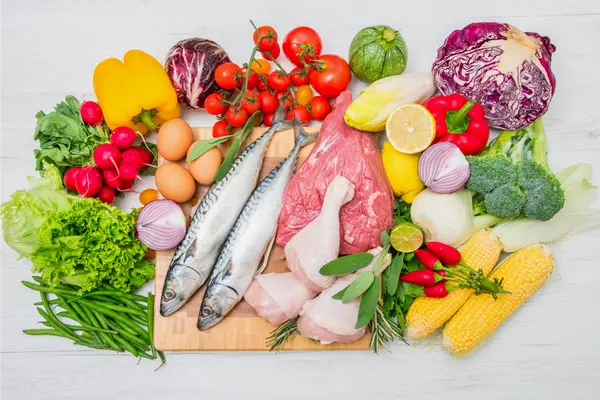
Methionine is found mainly in protein-rich foods such as meat, fish and dairy products. To achieve the optimal effect, you should regularly incorporate these foods into your meals.
-
Use plant-based sources of methionine
Brazil nuts, sunflower seeds, sesame and soy products are, for example, good sources of methionine. Especially for vegetarians or vegans, it is worthwhile to eat these foods more often.
-
Take into account your increased needs during exercise
People who train a lot have a higher protein turnover. Therefore increase methionine intake during intense physical activity to support muscle regeneration and performance.
-
Pay particular attention to methionine intake as you age
As you age, the efficiency with which the body can utilise methionine decreases. Therefore older people should regularly check whether their diet contains enough methionine.
-
Monitor your vitamin B12 status
Vitamin B12 is an important cofactor for optimal methionine utilisation. Make sure you have an adequate supply of this vitamin, especially if you follow a vegetarian or vegan diet.
-
Support your liver health with methionine
Methionine supports liver detoxification and thus helps break down harmful metabolic products. It can therefore make sense to include methionine-containing foods in your meal plan.
-
Be cautious with kidney and urinary stone problems
If you are prone to kidney stones or already have them, for example uric acid or cystine stones, you should carefully monitor and, if necessary, reduce your methionine intake. Methionine can promote stone formation.
-
Avoid methionine for certain health problems
Avoid methionine in cases of liver dysfunction, systemic acidosis, or a natural excess of homocysteine in the urine, or take it only under medical supervision.
-
Keep a food diary
To keep track of your methionine intake, it is helpful to keep a food diary. This allows you to deliberately control how much methionine you consume daily.
- Combine methionine intake with a healthy lifestyle
For an optimal effect, in addition to diet, adequate exercise, good sleep and stress reduction are important. Only in this way can your body make the best use of the amino acid.