Homocysteine
10 tips to lower homocysteine stress-free and effectively
- \n
- \n
Quit smoking for better results
\n \n
Since smoking significantly raises homocysteine levels and increases the risk of cardiovascular disease, completely quitting smoking can lead to a marked improvement in your levels within a few months.
\n- \n
- \n
Choose foods rich in betaine and choline
\n \n
These include, for example, beetroot, eggs and wholegrain products. They support the conversion of homocysteine to methionine. If you eat these foods regularly, your body can effectively regulate homocysteine levels.
\n- \n
- \n
Limit your coffee intake
\n \n
Excessive consumption of coffee or black tea can increase homocysteine levels. Therefore, limit your coffee intake to one to two cups per day.
\n- \n
- \n
Actively reduce stress
\n \n
Stress promotes an increase in homocysteine levels and can encourage inflammation in the vessels. Regular relaxation exercises such as yoga, meditation or breathing techniques help to lower the level.
\n- \n
- \n
Incorporate moderate physical activity into your daily routine
\n \n
Just 30 minutes of brisk walking or cycling five days a week support metabolic processes that help lower homocysteine levels.
\n- \n
- \n
Prefer folate-rich foods
\n \n
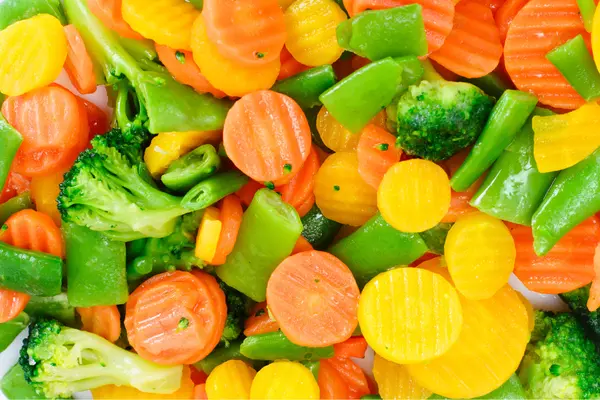
These include, for example, leafy green vegetables, legumes, lentils and chickpeas. They are rich in folic acid (vitamin B9), which is crucial for homocysteine metabolism.
\n- \n
- \n
Also choose vitamin-rich foods
\n \n
Citrus fruits, bananas, spinach, broccoli and wholegrain products provide the important vitamins B6, B12 and folic acid needed to break down homocysteine.
\n- \n
- \n
Consider targeted supplementation with a vitamin B complex
\n \n
If you find it difficult to get enough B vitamins from food, a supplement with B-complex preparations, agreed with your doctor, can be useful to support your homocysteine metabolism.
\n- \n
- \n
Avoid and reduce excess weight
\n \n
A healthy body weight helps to regulate metabolism and can also have a positive effect on homocysteine levels.
\n- \n
- \n
Develop healthy eating habits
\n \n
Pay attention to a balanced diet with plenty of fruit, vegetables, wholegrain products and healthy fats.