Glutathione
These 10 glutathione tips will make you feel more vital than ever
-
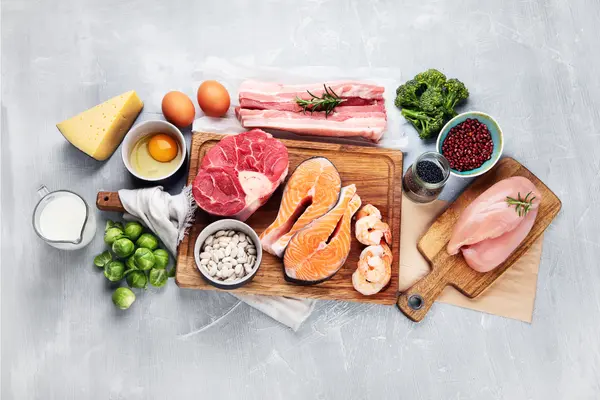
Prefer foods rich in glutathione
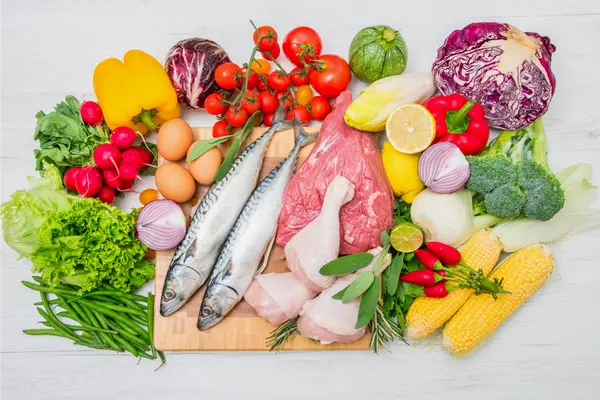
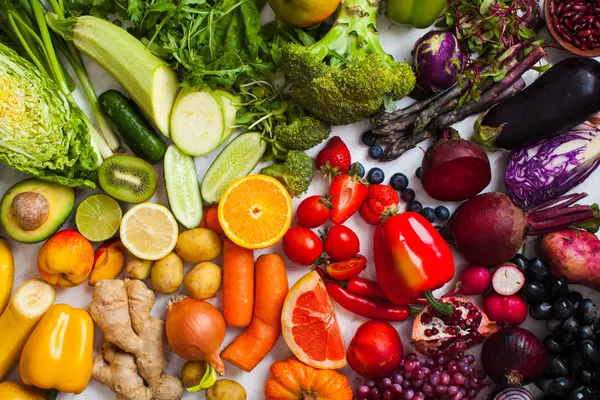
Focus on natural sources such as fresh liver, brewer's yeast extract, avocados, asparagus and watermelon, and include a colourful selection of fresh vegetables like broccoli, potatoes, spinach and peppers.
-
Regularly eat glutathione precursors
Include foods such as onions, leeks, brassicas, beans, fish, organ meats, chickpeas and nuts in your diet. This provides your body with the building blocks for its own glutathione production.
-
Avoid processed foods
Choose unprocessed, freshly prepared foods whenever possible. Intensive processing or long storage leads to significant losses of glutathione. For example, liver glutathione content drops noticeably when it is transported or stored for extended periods.
-
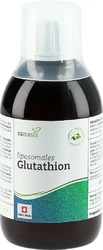
Supplementation with reduced glutathione
If you want to increase your glutathione levels intentionally, supplements containing reduced glutathione can be useful. Look for high-quality products and take them ideally between meals to ensure the best possible absorption.
-
Observe timing when taking supplements
Glutathione preparations should be taken at least one hour before and two hours after eating to avoid impaired absorption by other food components.
-
Use NAC as a supportive supplement
N-acetylcysteine (NAC) is an amino acid that contributes to glutathione formation in the body. Taking NAC as a supplement can positively influence your glutathione levels and thus enhance cellular protection.
-
Include vitamin C in your diet
Vitamin C is an important cofactor for glutathione production. Ensure adequate intake through citrus fruits, peppers or supplements so your body can synthesise this antioxidant optimally.
-
Consume selenium- and sulphur-rich foods
Selenium and sulphur are essential nutrients for glutathione synthesis. Make a point of regularly including selenium-rich foods like Brazil nuts and sulphur-rich foods such as cruciferous vegetables or garlic in your meal plan.
-
Curcumin and lysine as supportive substances
Curcumin, the active component of turmeric, and the amino acid lysine also support glutathione production. You can take these as supplements to strengthen your body's natural detoxification processes.
- Stay active for your glutathione levels
Regular exercise and physical activity can have a positive impact on your glutathione levels. Even moderate aerobic exercise supports detoxification mechanisms and strengthens cellular functions.