Menstruation
10 tips to get through the “red days” more easily
-
Practical preparation for on the go
Keep a period kit with spare menstrual products, pain relief, spare underwear and wet wipes. This reduces everyday stress and prevents unpleasant surprises if bleeding starts while you are away from home.
-
Hygiene solutions for exercise and swimming
For sports and water activities, specially designed period underwear or suitable swimwear can help you feel secure and comfortable. Try different products to find the fit and moisture management that suit your activity.
-
Prioritise self-care and sleep
Allow yourself intentional breaks, warm baths, gentle massages and enough sleep during your period, as your body needs time to recover. Such rituals can lower stress and improve overall well-being.
-
Use heat purposefully
A hot water bottle on the lower abdomen or a warm bath relaxes the uterine muscles, improves circulation and noticeably reduces cramps. Try 15–20 minutes of heat, repeating if needed several times a day. Make sure the temperature is comfortable to avoid irritating your skin.
-
Practice relaxation techniques regularly
Yoga, targeted breathing exercises or short meditations help reduce stress and often ease menstrual discomfort. Integrate simple sequences (e.g. gentle forward bends or deep belly breathing) into your routine — before or during bleeding.
-
Adjust movement, don’t stop it
Light activities such as walks, swimming, Pilates or gentle yoga promote circulation and release endorphins that relieve pain. Adjust the intensity and duration to how you feel, and reduce load when symptoms are stronger.
-
Consciously adjust your diet
Reduce consumption of caffeine, alcohol and very sugary foods, as these can increase bloating and mood swings. Instead opt for complex carbohydrates, fresh fruit and vegetables to keep your energy stable and decrease discomfort.
-
Include magnesium-rich foods
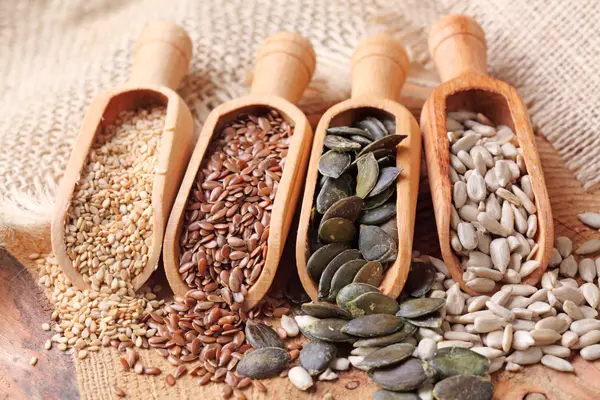
Nuts, seeds and dark leafy greens are good sources of magnesium and can help relieve cramps and muscle tension. For example, add a handful of almonds or some spinach to your meals, especially in the days before and during bleeding.
-
Monitor iron levels
Heavy bleeding increases the risk of iron deficiency. Pay attention to iron-rich foods (meat, legumes, green leafy vegetables) and have your iron level checked by a doctor if you experience persistent fatigue or paleness. A supplement of iron with vitamin C may be recommended if needed.
- Use pain relief and anti‑bleeding medication correctly
Non-steroidal anti-inflammatory drugs (e.g. ibuprofen) relieve pain and can reduce blood loss. Acetylsalicylic acid (ASA, aspirin) is not recommended for heavy bleeding as it has a blood‑thinning effect. Tranexamic acid can help with very heavy bleeding but should be used for a limited time and with information about possible side effects (including an increased risk of thrombosis).