Intimate care
10 tips for more well‑being in the most sensitive area of the body
-
Clean gently and according to pH
Wash the intimate area once daily with warm water or a mild, soap-free intimate wash lotion that is matched to the natural pH. Perfumed products, deodorants, sprays or aggressive shower gels can irritate the sensitive skin – in both sexes.
-
Wash only the external areas
The mucous membranes in the intimate area (vagina, penile foreskin) have their own self-cleaning system. Rinses, intimate sprays or vaginal douches destroy the natural flora and increase the risk of infections. Therefore, clean only the external intimate area.
-
Clean at most once a day – too much care can harm
Washing several times a day or very hot baths dry out the skin and weaken the natural protective film. A gentle cleansing once a day is sufficient – even in heat, after sport or during menstruation.
-
Dry thoroughly – germs love moisture
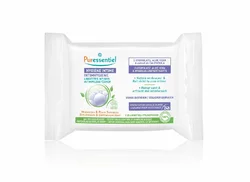
After showering, sport or swimming, always dry the intimate area carefully, especially between skin folds. Damp washcloths or wet textiles promote germs – use washcloths only once or opt for single-use products.
-
Choose breathable underwear and avoid tight clothing
Cotton fabrics are ideal for women and men as they regulate moisture and do not irritate the skin. Tight synthetic underwear, tights or very stiff jeans create a warm, humid environment – optimal for bacteria and fungi.
-
Mind hygiene around toilet use
Always wipe from front to back after using the toilet to avoid transferring intestinal germs to the front of the intimate area – a protection for both sexes. Regularly changing toilet paper, washcloths and towels also prevents the spread of germs.
-
Empty the bladder after sexual intercourse
Both women and men benefit from emptying the bladder after sex. This flushes bacteria out of the urethra and effectively helps prevent bladder infections.
-
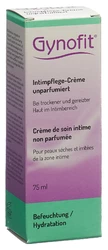
Support the skin barrier with gentle, water-free care products
For dryness, irritation or sensitive skin, fragrance-free, water-free ointments that do not require preservatives can help. They strengthen the skin barrier and prevent bacteria and fungi from spreading.
-
Change underwear and sportswear regularly
Change underwear daily and wash it at at least 60 °C. Also after sport, sweating or swimming: change damp clothing immediately to avoid infections from accumulated germs.
-
Pay attention to nutrition & individual risks
A high sugar intake can promote the growth of yeast – in both women and men. Those prone to infections should reduce sugar and heavily processed foods. In case of problems, dryness or recurring infections, a doctor can advise individually on suitable products.