Haemorrhoids
10 ways to sit pain-free
-
Pay attention to toilet timing and posture
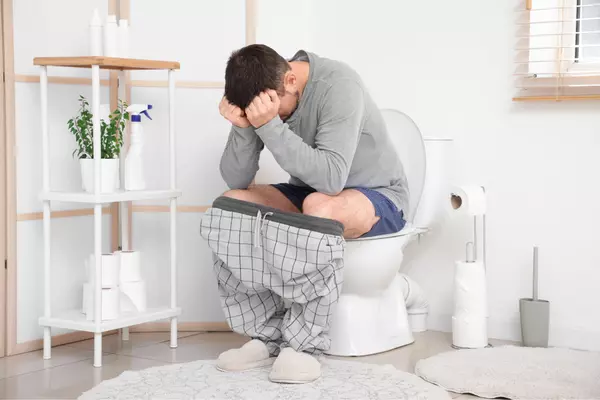
Don’t wait too long to go to the toilet and avoid prolonged sitting on the toilet – usually two to three minutes is enough. Place a small footstool in front of the toilet to raise your knees and allow the bowels to empty more easily in a squatting position.
-
Immediate measure
Avoid straining strongly during bowel movements, as this increases pressure on the anal veins. If needed, opt for measures to regulate stool consistency (fibre, fluids, bulk-forming agents) rather than forcing stubborn stool out by straining.
-
Increase fibre intake purposefully
Include more whole grains, legumes and fresh vegetables and fruit in your diet so that stools become softer and more formed. Practical examples are porridge for breakfast, lentil soups or a side salad.
-
Avoid constipating foods
Reduce foods that can constipate, such as strong black tea, cocoa, blueberries, dark chocolate and grated apples or mashed bananas. These foods can harden stools and encourage straining.
-
Use bulk-forming agents selectively
Take one tablespoon daily of wheat bran, flaxseed or psyllium with plenty of fluid. These bulk-formers absorb water in the intestine and ease the passage of stool – it is important to always drink enough with them.
-
Gentle anal hygiene instead of vigorous rubbing
Clean the anus after bowel movements with water or a pH‑neutral wash lotion and a soft cloth. If you use toilet paper, moisten it first and gently pat the skin dry. Avoid vigorous rubbing as this can further irritate the mucosa.
-
Avoid irritating wet wipes and harsh detergents
Commercial wet wipes often contain fragrances or preservatives that can cause skin irritation or allergies. Wash your underwear with mild, skin‑friendly detergents. Prefer cotton underwear as it absorbs sweat well.
-
Sitz baths with astringent plants
For acute symptoms, warm sitz baths with chamomile, witch hazel, arnica or oak bark can provide relief. The tannins they contain have anti‑inflammatory effects and relieve itching and pain. A light application of coconut oil afterwards can soothe the skin.
-
Local herbal and medicinal care
For skin care, use ointments with zinc, panthenol, witch hazel or aloe vera. For acute pain, local anaesthetics (e.g. lidocaine ointments) can provide short‑term relief. Corticosteroid creams are effective against inflammation but should only be used for a limited time.
- Incorporate exercise and pelvic floor training into daily life
Regular physical activity stimulates bowel function. Complement this with targeted pelvic floor exercises to reduce pressure on the anal veins and prevent recurrences. Even short walks or simple Kegel exercises can be effective.