Cooling foods
10 tips to refresh your body in the heat
-
Rely on water-rich foods as a natural cooling source
Cucumbers, melons, tomatoes, courgettes or leafy salads are made up of over 90% water and help your body maintain a stable fluid balance. These foods are not only cooling but also provide minerals and antioxidants. Combine them with light dressings of lemon and fresh herbs to enhance the cooling effect.
-
Incorporate cooling herbs into your kitchen
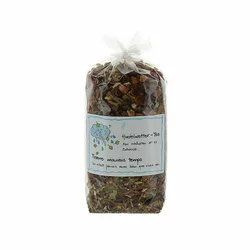
Mint, basil, sage, coriander or lemon balm contain essential oils that promote skin circulation and create a refreshed feeling through evaporative cooling. Use these herbs in salads, smoothies or infused waters – or explore quality herbal teas with cooling properties.
-
Choose fermented foods for internal balance
Yoghurt, kefir, buttermilk, kombucha or raw sauerkraut are cooling, light and gentle on the stomach. Through probiotic cultures they support digestion, which often slows down on very hot days. These products help regulate excess heat and supply valuable minerals.
-
Use fruit as a natural heat shield
Watermelon, berries, citrus fruits, pears or peaches help reduce feelings of heat and refresh the body. Watermelon in particular is described in TCM as an ideal food against hot flashes. The seeds can also be used – roasted or as a topping for yoghurt and salads.
-
Season smartly with cooling spices
Peppermint, dill, cress, tarragon, oregano or lemon balm have a naturally refreshing effect. They promote evaporative cooling, soothe the stomach and pair perfectly with summer meals. Look out for blended herb mixes in pharmacies that are specially developed for the warm season.
-
Drink lukewarm rather than ice-cold
Although cold drinks are tempting, they stimulate the body's own heat production. Better choices are lukewarm herbal teas or water with mint, lemon or cucumber slices. Peppermint tea has a particularly distinct cooling effect and is a summer classic, even at room temperature.
-
Think of minerals to better cope with heat
When you sweat you lose more electrolytes than usual. Complement your fluid intake with diluted fruit or vegetable juices or turn to mineral supplements from the pharmacy. Magnesium and potassium in particular support circulation on hot days.
-
Choose easily digestible proteins
Instead of heavy, fatty foods, legumes, tofu or light dairy products are much more pleasant for the body. They provide protein without burdening digestion. A cold lentil bowl or a summer quark are ideal alternatives for warm days.
-
Plan your meals according to temperature patterns
Warm dishes are better in the morning or evening when the day's heat decreases. At midday, opt for cold soups like gazpacho, fresh bowls or salads. This eases both circulation and digestion.
-
Avoid strongly warming foods
Very fatty foods, alcohol, sweet drinks, ice-cold beverages or large amounts of coffee can intensify sensations of heat. Warming spices such as cinnamon, ginger, cloves or nutmeg are also less suitable in high summer. A light, cooling diet is the considerably more pleasant and healthier choice here.